 Bellingham
 Windows Built for Silver Beach's Weather, Not Just the Showroom
Silver Beach sits in one of the wetter, greener pockets of Bellingham, and that comes with a specific set of demands on a home's windows. Salt-tinged air off the water, driving rain that comes in sideways more often than straight down, and a moss season that can stretch for months all put steady pressure on window frames, seals, and the wood or siding around them. A window that would hold up fine in a drier inland climate can fail early here if it wasn't installed — or chosen — with this weather in mind.
We work on homes throughout Whatcom County, and Silver Beach's older housing stock, tree cover, and exposure to persistent moisture make it one of the neighborhoods where window condition tends to be a real issue rather than a cosmetic one. This page walks through what that means for a window replacement project here specifically, not window replacement in general.
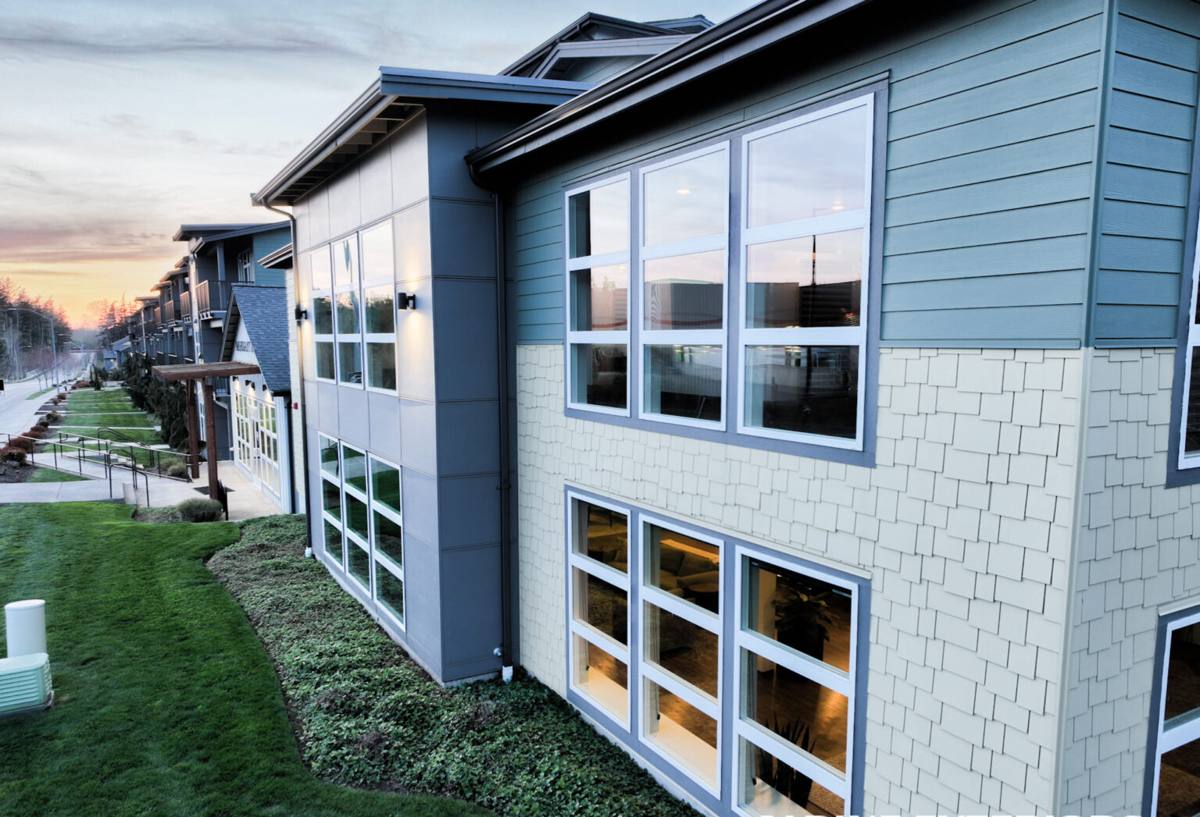
Signs a Silver Beach Home Needs New Windows
Because of the moisture load in this area, window problems often show up as water and air issues before they show up as obvious cosmetic damage. Homeowners typically call us after noticing one or more of the following:
- Fogging or a permanent haze between the panes of a double-pane window — the seal has failed and the gas fill is gone
- Soft or discolored wood on the interior sill or exterior trim, especially on walls that face prevailing weather
- Visible moss or green growth building up in the corners of frames or on exterior trim
- Drafts or a noticeable temperature difference near the window, even with it fully closed and latched
- Windows that are difficult to open, close, or lock — often a sign the frame has swollen or warped
- Paint that keeps peeling or bubbling around the window frame no matter how often it's touched up
- A jump in heating costs without any other obvious cause
Any one of these on its own might just need a repair. Several at once, especially on an older window, usually means the unit has reached the end of its useful life and continued patching is throwing money at a problem replacement will solve for good.
What a Correct Window Replacement Job Actually Involves
The window itself is only part of the job. In a climate like ours, the installation details around the window are what determine whether it performs for twenty years or starts leaking in three. We treat every replacement in Silver Beach as a full moisture-management job, not a swap-and-caulk exercise.
Removal and Wall Inspection
Once the old window is out, we inspect the rough opening before anything new goes in. This is often where hidden problems turn up — soft framing, old flashing that was installed incorrectly, or water staining that shows moisture has been getting behind the siding for some time. Any damaged framing or sheathing gets addressed before the new window goes in. Installing a new window into a compromised opening just hides a problem instead of fixing it.
Flashing and the Moisture Barrier
This is the step that matters most in a wet, wind-driven-rain climate. Proper flashing directs water that gets past the siding back out and away from the wall assembly, using a shingle-style layering — building paper or house wrap, then sill flashing, then the window, then jamb and head flashing integrated with the water-resistive barrier above it. Skipping or rushing this step is the single most common cause of window-related rot we see in older Bellingham homes, and it's invisible once the trim goes back on. It's also the step that's easiest for a rushed or inexperienced crew to shortcut, because a poorly flashed window can look perfectly fine for a year or two before problems show up.
Setting, Shimming, and Sealing
The window needs to be plumb, level, and square in the opening, shimmed at the right points so it isn't racked or under stress, and insulated around the perimeter without over-packing the gap, which can bow the frame. Exterior sealant goes on the joints that are designed to be sealed — not everywhere, since some flashing details rely on specific gaps to drain correctly. Interior and exterior trim is then reinstalled or replaced to match the home.
Choosing the Right Window for This Climate
Frame material and glass package both matter more here than in a drier region. We generally steer Silver Beach homeowners toward materials with strong moisture and rot resistance and predictable long-term behavior, and we're upfront about the trade-offs of each option rather than pushing one product line.
| Frame Material | How It Handles Local Moisture | Maintenance | Typical Trade-Off |
|---|---|---|---|
| Vinyl | Won't rot; performs well against rain and humidity | Low — occasional cleaning | Frame color/style options are more limited than wood |
| Fiberglass | Excellent moisture and temperature stability; very low expansion/contraction | Low | Higher upfront cost than vinyl |
| Wood, unclad | Attractive but vulnerable if paint or finish isn't kept up in a wet climate | High — regular repainting/sealing | Best reserved for homes prioritizing a specific historic look |
| Wood-clad (metal or vinyl exterior) | Good — exterior cladding shields the wood from direct weather | Moderate | Cladding seams need to be well-detailed to stay watertight |
Glass matters too. A dual-pane, low-E unit with argon fill is the practical standard for this climate — it cuts down on condensation on the interior glass, which is a common complaint in humid Pacific Northwest winters, and it keeps heating bills in check through the wetter, colder months. Triple-pane is worth discussing for homes closer to a busy road or with higher energy goals, but it's not a requirement for every project.
Our Process, Start to Finish
1. On-Site Assessment
We look at each window individually — sun exposure, wind exposure, existing damage, and how the wall assembly is built — rather than quoting a flat per-window price sight unseen. Silver Beach homes vary enough in age and construction that a walk-through matters.
2. A Written, Itemized Estimate
You get a clear breakdown of window units, install labor, any framing repair we identify, and trim work — no vague lump-sum number.
3. Scheduling Around the Weather
We plan installs to minimize how long any opening sits exposed, and we don't start a job with a rough opening open to the weather when rain is moving in. In a region where dry windows aren't guaranteed, that timing decision protects your home.
4. Installation and Flashing
Covered above — this is where the work actually earns its keep long-term.
5. Walkthrough and Cleanup
We operate every window with you before we consider the job done, check for smooth operation and a tight seal, and clean up debris and packaging from the site.
What Window Replacement Typically Costs
Costs vary based on window size, frame material, how many units are being replaced, and how much of the surrounding trim or framing needs repair. As a general guide:
| Cost Factor | Why It Moves the Price |
|---|---|
| Frame material (vinyl vs. fiberglass vs. wood-clad) | Material and manufacturing cost differ significantly |
| Window size and configuration | Large or custom-shaped windows cost more than standard sizes |
| Number of windows replaced at once | Bundling multiple windows reduces per-unit labor cost |
| Condition of the existing framing | Rot or water damage found during removal adds repair time |
| Trim and interior finish work | Matching existing trim profiles or painted finishes adds labor |
| Access and site conditions | Second-story or hard-to-reach windows take longer to install safely |
Whole-home replacements typically run into the thousands of dollars per window range once material, labor, and any repair work are factored in, and can vary widely from there. We'd rather walk your specific windows and give you real numbers than post a generic per-window price that doesn't hold up once we see the job.
Why Hiring a Crew That Already Works in Silver Beach Matters
A contractor who regularly works this part of Bellingham has already seen how the local moisture and moss season interact with different siding types, framing ages, and window brands. That translates into fewer surprises during a project — we know what to check for in homes of a certain era, what flashing details tend to have been skipped in past renovations, and which products hold up under repeated exposure to salt air and driving rain rather than just performing well on paper.
It also matters for accountability. A local crew is easy to reach if a question comes up after the install, and we're not relying on a warranty card and a phone number in another state if something needs a follow-up look. For a job where the quality of the installation matters as much as the product itself, that local track record is part of what you're paying for.
Keeping New Windows Performing Long-Term
Even a well-installed window benefits from a little seasonal attention in this climate:
- Clear moss and debris from window sills and tracks before it holds moisture against the frame
- Check exterior caulking annually and touch up any cracked or missing sections
- Keep gutters and downspouts clear so water isn't running down the wall directly above a window
- Wipe down interior sills during winter if condensation builds up, especially in bathrooms and kitchens
- Trim back vegetation that's shading a window and keeping it damp longer than the rest of the house
None of this is a substitute for a correct installation — it's just what protects the investment once the work is done.
Get a Free, No-Pressure Estimate
If you're dealing with foggy glass, drafts, sticking sashes, or visible moisture damage around your windows, it's worth having someone take a look before the next wet stretch sets in. Use the form below to request a free estimate for your Silver Beach home — we'll walk the windows with you, answer your questions honestly, and give you a clear, itemized number with no pressure to commit on the spot.