 Bellingham
 Windows in Sehome Have a Job to Do Beyond Looking Good
Sehome sits close enough to the water and to Bellingham Bay's weather patterns that its windows work harder than windows in drier parts of the country. Between salt-laden air rolling in off the bay, long stretches of driving rain through fall and winter, and a moss season that seems to start earlier every year, the window envelope on a Sehome home is under near-constant low-grade stress. None of that is dramatic on its own. It's the accumulation — years of moisture cycling through seals, frames, and sills — that eventually shows up as fogged glass, soft wood, or a window that won't latch the way it used to.
Custom windows aren't about upgrading for the sake of it. In a neighborhood with a real mix of older bungalows, mid-century homes, and newer infill construction, "custom" usually just means building a window to fit an opening and a house that a stock size was never going to match correctly.
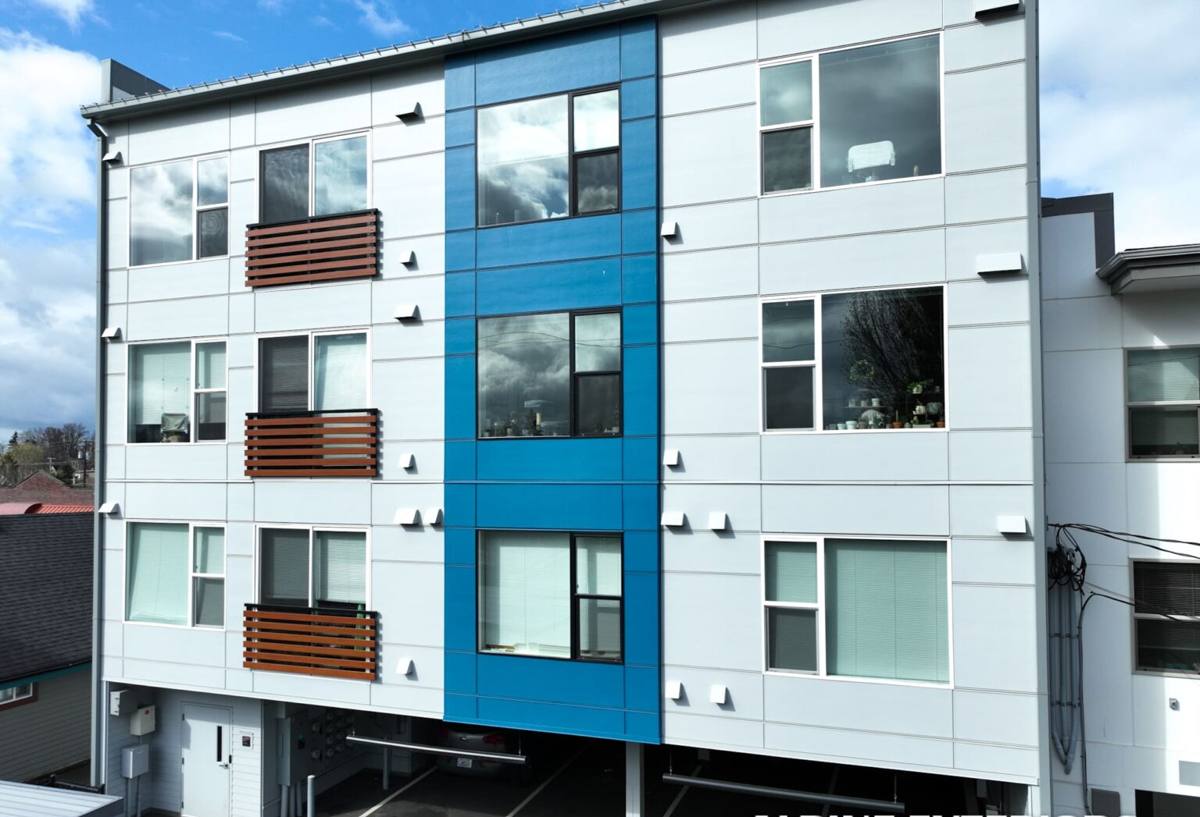
What Bellingham's Climate Actually Does to a Window Over Time
Salt Air
Proximity to Bellingham Bay means airborne salt finds its way onto exterior surfaces, including window hardware and frame fasteners. Over years, that accelerates corrosion on lower-grade hinges, cranks, and screws, which is one reason we pay attention to hardware material and finish, not just the glass and frame.
Driving Rain
Whatcom County storms rarely fall straight down. Wind-driven rain hits windows at an angle, which puts real pressure on flashing details and sill pans — the parts of the installation you never see once the trim is back on. A window can have excellent glass and still leak if the flashing behind it was done wrong.
Moss Season
Bellingham's extended damp season is kind to moss and less kind to wood trim, caulk joints, and any low spot where water can sit. Moss holds moisture against a surface far longer than open air would, which is exactly the condition that rots wood sills and breaks down sealants faster than the manufacturer's stated lifespan.
None of this means Sehome homeowners need to over-engineer a window. It means the details that don't show up in a glossy brochure — flashing, drainage, hardware grade, sealant choice — matter more here than they would in a drier climate.
Signs a Sehome Home Needs New or Custom Windows
Most homeowners call us after noticing one or two of these, not because they set out to replace windows. Worth checking your own house against this list before deciding anything:
- Fogging or a visible haze between the panes of a double-pane window — the seal has failed and the gas fill is gone
- Windows that are difficult to open, close, or lock, especially after damp weather
- Visible gaps between the window frame and siding or trim
- Soft, discolored, or crumbling wood at the sill or lower frame corners
- Noticeable draft near the window even when it's fully closed and locked
- Condensation forming on the inside of the glass regularly through fall and winter
- Paint that keeps failing on the exterior trim around a specific window, even after repainting
- An opening that's clearly not a standard size — common in older Sehome homes with additions or remodeled rooms
Any one of these is worth a look. Several at once usually means the window and the surrounding wall assembly need attention, not just the glass.
Why "Custom" Matters for Sehome's Housing Mix
Older Homes Near the University Area
Sehome has a good number of older homes with window openings that were framed by hand decades ago, before standardized manufacturing sizes were the norm. Trying to force a stock-size replacement window into one of these openings usually means either an ugly gap that gets papered over with extra trim, or a window that's slightly undersized and leaks air around the edges no matter how well it's caulked.
Additions and Remodeled Spaces
Homes that have been added onto or had rooms reconfigured often end up with openings that don't match anything in a standard catalog — a slightly taller opening for a converted attic space, or a narrower one where a wall was moved. Custom sizing solves this cleanly instead of compromising around it.
Matching Architectural Character
Grille patterns, sightlines, and proportions vary a lot across Sehome's older and newer homes. A correct custom window matches the visual scale of the house — window and wall proportions that look "off" are one of the fastest ways to make an otherwise nice home look mismatched from the street.
Choosing the Right Window for This Climate
There's no single "best" window material — the right choice depends on the home, the budget, and how much maintenance a homeowner actually wants to do. Here's how the common options stack up for a Bellingham home dealing with salt air, rain, and moss:
| Material | Moisture Resistance | Maintenance | Typical Trade-Off |
|---|---|---|---|
| Vinyl | Very good — won't rot or corrode | Low | Fewer custom color and profile options than other materials |
| Fiberglass | Excellent — very stable in wet/dry cycling | Low | Higher upfront cost |
| Wood | Requires a well-maintained exterior finish to perform well | High | Best for historic character, but demands regular upkeep in this climate |
| Wood-Clad (wood interior, metal or composite exterior) | Good, if the cladding and flashing details are done correctly | Moderate | Interior wood warmth with better exterior weather resistance |
| Aluminum | Poor thermal performance; prone to condensation | Low | Generally not our recommendation for residential work in this region |
For most Sehome homes, we steer homeowners toward vinyl or fiberglass for straightforward replacements, and wood or wood-clad when matching an older home's original character is the priority. Aluminum-framed residential windows tend to struggle with condensation in a climate this damp, which is a maintenance headache more than a defect — it's simply not the right material for the moisture load here.
Glass and Hardware Details Worth Getting Right
Low-E Glass and Gas Fills
Low-emissivity coatings and argon or krypton gas fills between panes both improve insulation value and reduce condensation risk — a real benefit given how much of the year Bellingham runs cool and damp. The specific coating package should match the home's orientation; a west-facing window dealing with afternoon sun benefits from a different Low-E spec than a shaded north-facing one.
Hardware and Fasteners
Given the salt air, we favor stainless steel or coated hardware over bare steel components, especially for homes closer to the bay. It costs a little more up front and saves a service call in five years.
Weep Holes and Drainage
Every window needs a way to shed the water that inevitably gets into the frame track during driving rain. Weep holes that are blocked, undersized, or missing are a common cause of interior sill damage that homeowners mistake for a bad window when it's really a drainage problem.
How We Handle a Custom Window Job in Sehome
1. On-Site Measurement and Assessment
We measure the actual opening — not a rough estimate — and check the condition of the surrounding framing, sheathing, and sill for any moisture damage that needs to be addressed before a new window goes in. Installing a good window into a compromised opening just hides a problem instead of fixing it.
2. Material and Glass Selection
We walk through the trade-offs above with the homeowner based on the home's exposure, architectural style, and budget, rather than defaulting to one product line for every job.
3. Removal and Opening Prep
Old windows come out carefully to protect interior and exterior finishes. Any soft wood, failed flashing, or gaps found during removal get repaired before the new window is set — this is the step that determines whether the installation lasts.
4. Flashing and Installation
Proper flashing sequence — sill pan first, then side flashing, then head flashing — is what actually keeps wind-driven rain out over the long run. This is the part of the job that's invisible once finished but matters more than almost anything else in this climate.
5. Sealing, Trim, and Final Check
We seal, trim, and test operation on every window before calling the job done, including checking that locks, cranks, and hardware all function smoothly.
Maintenance That Extends the Life of a New Window Here
A correctly installed custom window still benefits from a little seasonal attention in a climate like this:
- Clear debris and moss from window tracks and weep holes once or twice a year, especially after fall leaf-drop
- Check exterior caulking annually for cracking or separation, particularly on the sun-exposed side of the house
- Wipe down hardware periodically if the home is close to the water, to slow salt-related corrosion
- Address any soft trim or peeling paint around a window promptly rather than waiting for a full repaint cycle
Why Local Installation Experience Matters in Sehome
A window is only as good as the flashing and drainage details behind it, and those details change based on the specific weather load a home actually experiences. A crew that regularly works Sehome and the surrounding Bellingham neighborhoods has already seen how the older housing stock in this part of Whatcom County holds up — where moisture tends to collect, which original window openings run slightly out of square, and which materials perform well through a full wet season rather than just looking good on installation day. That local pattern recognition is hard to replicate with a crew that doesn't work this area regularly.
If you're weighing whether your Sehome home needs new windows, a full replacement, or just a repair to what's already there, we're happy to take a look and give you a straight answer. Reach out for a free, no-pressure estimate using the form below.