 Bellingham
 Why Siding Repair Gets Overlooked in Cordata
Cordata sits inland from the water compared to some Bellingham neighborhoods, but it still sees the same weather pattern that defines Whatcom County exteriors: long stretches of driving rain, a moss season that can run half the year, and salt-laden air that moves inland on wind off the Sound. None of that announces itself with a single dramatic event. It shows up as a soft spot behind a downspout, a hairline crack that widens every winter, or a patch of siding that stays damp two days after everything else has dried. By the time a homeowner notices, the damage is usually further along than it looks from the ground.
Siding repair is often treated as a cosmetic fix — caulk a gap, touch up some paint, call it done. Done right, it's closer to diagnostic work. The job isn't just replacing what's visibly broken; it's figuring out why that section failed while the rest of the wall didn't, and making sure the fix doesn't just relocate the problem to the next seam over.
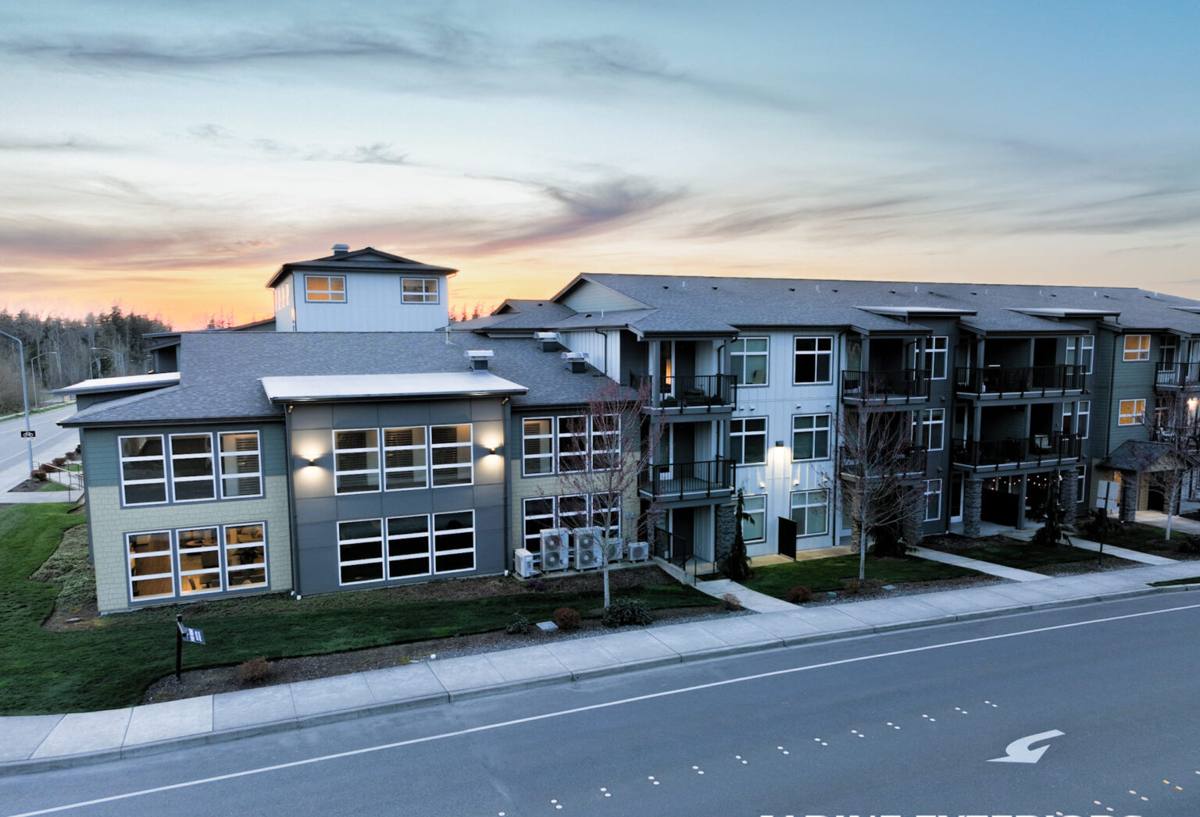
What Local Weather Does to Siding Over Time
Driving Rain
Wind-driven rain doesn't just wet a wall — it forces water sideways and upward into laps, seams, and fastener penetrations that were only ever designed to shed water moving straight down. Over years, that pattern finds every weak point in a siding installation: a lap with too little overlap, a seam that wasn't caulked, a nail driven at the wrong angle. The damage concentrates on specific elevations and specific details, which is exactly why repair work has to be targeted rather than cosmetic.
Moss and Sustained Moisture
A long moss season means siding, trim, and the ground around a house stay damp for extended periods. Moss holding moisture against a wall keeps that surface wet far longer than open, sun-exposed siding nearby. On materials that absorb water or swell when saturated, that sustained dampness is what turns a minor imperfection into a real failure point — swelling, delamination, or rot depending on what's underneath.
Salt Air
Even homes set back from the waterfront get some exposure to salt-carrying air moving through the region. Salt accelerates corrosion on fasteners, flashing, and any exposed metal trim. A siding repair that reuses corroded fasteners or skips flashing correction is a repair that's already counting down to its next failure.
Signs Cordata Homeowners Should Watch For
Most siding problems give warning signs well before they become structural. Catching them early is the difference between a contained repair and a full section replacement.
- Soft or spongy spots when you press on siding near the ground, under windows, or below downspouts
- Visible cracking or splitting, especially at butt joints and corners
- Paint or finish that's bubbling, peeling, or failing in one specific area while the rest holds up fine
- Streaking or dark staining that keeps returning after cleaning
- Moss or algae buildup concentrated on one wall or section, often the north or shaded side
- Gaps opening up at seams, trim boards, or where siding meets windows and doors
- Visible movement or slight bowing in a section when the wind picks up
- A musty smell near an exterior wall inside the home — often the first sign moisture has gotten past the siding
Any one of these on its own might be minor. Two or three showing up in the same area of the house usually means water has been getting behind the siding for a while, not just sitting on top of it.
Repair vs. Replacement: How We Make the Call
Not every damaged section needs to come off the wall, but not every problem should be patched over either. The honest answer depends on what's causing the damage and how far it's spread.
| Factor | Points Toward Repair | Points Toward Replacement |
|---|---|---|
| Extent of damage | Isolated to one board, seam, or small section | Recurring across multiple elevations |
| Underlying material | Sheathing and framing test dry and sound | Rot or moisture found behind the siding |
| Cause identified | A fixable detail (flashing, caulk, fastener) | A systemic issue (original install, wrong product for the climate) |
| Age and material condition | Siding is otherwise sound and holding its finish | Siding is near end of life or discontinued/hard to match |
| Cost over time | One-time fix addresses the root cause | Repeated patching has already cost more than replacement would have |
We won't push a full replacement when a targeted repair genuinely solves the problem — but we also won't recommend patching a wall where the damage is a symptom of something bigger. That call gets made after inspection, not before.
What a Correct Repair Actually Involves
A repair that lasts starts before any new material goes up.
1. Find the Actual Cause
Damaged siding is a symptom. We look at flashing, caulking, grading, gutter performance, and how water actually moves across that wall before deciding what to fix. Replacing a cracked board without correcting the water path behind it just buys a few years before the same spot fails again.
2. Check What's Behind the Siding
Once damaged material is removed, we check the sheathing, house wrap, and framing underneath. If moisture has gotten past the siding, that has to be addressed — dried out, repaired, or in worse cases, rebuilt — before anything new goes back on. Covering wet or compromised sheathing with new siding just hides the problem.
3. Match the Repair Correctly
A patch that doesn't match reveals itself immediately — different profile, different reveal, a visible seam where old meets new. Matching existing siding gets harder the older the material is, especially with discontinued colors or profiles. We tell homeowners upfront when an exact match isn't realistic, rather than promising one we can't deliver.
4. Correct the Detail That Failed
Flashing gets replaced or added where it was missing. Fastener patterns get corrected. Caulk joints get redone properly rather than smeared over. The goal is a repair that fixes the actual failure point, not just the visible damage.
Our Process for Cordata Repair Calls
We keep repair work straightforward and low-pressure:
- Inspection. We look at the damaged area and the surrounding siding, not just the spot you called about — one visible problem often has a related one nearby.
- Diagnosis. We identify what's causing the failure, not just what it looks like on the surface.
- Honest recommendation. Repair, partial replacement, or full replacement — whichever actually solves the problem, explained in plain terms with the reasoning behind it.
- The work itself. Damaged material removed, underlying issues corrected, new material installed and finished to match as closely as the existing siding allows.
- Follow-up. A repair should hold. If something about it doesn't, we want to know.
Why the Underlying Material Matters for Repair, Not Just Installation
Repair work makes the difference between siding materials obvious in a way new installation doesn't. Materials that swell, absorb water, or degrade at cut edges are harder to repair cleanly — the damage often extends past what's visibly failed, and the material itself is more vulnerable at the repair seam. It's part of why we install James Hardie fiber cement exclusively: it's non-combustible, holds up to sustained moisture exposure far better than wood-based or engineered wood products, and its ColorPlus factory finish is formulated to hold color and resist the kind of fading and peeling that driving rain and UV cycling cause over time. When we do need to replace a section on a Hardie-sided home, we're working with a material that behaves predictably and holds its finish — which makes for a repair that actually blends in and lasts.
If your current siding is a different material and it's failing repeatedly in the same spots, that's worth an honest conversation about whether repair is solving the problem or just delaying a decision.
Why a Crew That Knows Cordata Matters
Siding failure patterns aren't random — they follow the wind, rain exposure, and moisture patterns specific to a neighborhood's layout and orientation. A crew that's worked other homes in Cordata and the surrounding Bellingham area has already seen how this specific stretch of Whatcom County weather affects siding: which elevations take the worst of the driving rain, how moss builds up differently depending on tree cover and shade, and what details tend to fail first on homes built to older standards. That local pattern recognition speeds up diagnosis and means fewer surprises once a wall is opened up.
Get an Honest Look at Your Siding
If you're seeing soft spots, cracking, staining, or gaps on your Cordata home, it's worth having someone look before the next rainy stretch makes it worse. We offer free, no-pressure estimates — we'll tell you straight whether you're looking at a simple repair, something more involved, or just routine maintenance. Fill out the form below to get started.