 Bellingham
 Why Barkley's Climate Is Hard on Siding
Barkley sits close enough to Bellingham Bay and the broader Whatcom County coastline that salt-laden air is a real factor in how exterior materials age, not just a talking point. Add in the long stretch of driving rain that defines a Pacific Northwest winter and the shaded, damp conditions that let moss and algae take hold on north-facing walls for much of the year, and you have a climate that is genuinely tough on cladding. Siding here doesn't just need to look good — it needs to shed water fast, resist swelling and rot at the joints, and hold its finish through months of gray, wet weather without chalking or staining.
This is exactly the environment fiber cement was engineered for, and it's why we've standardized on James Hardie products for every home we side in Bellingham, including Barkley. Wood-based and wood-composite products can work fine in a dry climate; in a marine, moss-prone climate like ours, the margin for error is much smaller.
What Barkley Homes Actually Need From Their Siding
Moisture Has to Move, Not Sit
The single biggest driver of siding failure in Whatcom County isn't the siding material itself — it's what happens behind it. Bulk water needs a clear path off the wall, and any water that does get behind the cladding needs somewhere to drain and dry. That means a correctly lapped weather-resistant barrier, proper flashing at every window, door, and roofline intersection, and a rainscreen gap where the wall assembly calls for one. Fiber cement performs well here because it doesn't wick moisture the way wood fiber composites can, but the water management underneath it matters just as much as the siding itself.
Salt Air and UV Wear
Homes closer to the water see faster breakdown of paint film and caulk than homes further inland. A factory-applied finish that's baked on and warrantied for fade resistance holds up far better here than a field-painted or shop-primed product that depends on the installer's paint job and the homeowner's repainting schedule.
Moss and Algae Pressure
Bellingham's moss season runs long — shaded walls, gutters, and lower courses can stay damp for weeks at a stretch. Siding that absorbs moisture gives moss and algae something to grip into; a dense, factory-finished fiber cement surface is much harder for organic growth to colonize and much easier to wash off when it does show up.
Why We Only Install James Hardie
We don't install LP SmartSide, vinyl, Cemplank, Allura, or unfinished wood siding, and that's a deliberate standard, not an oversight. Vinyl can warp and fade in strong sun exposure and doesn't offer the same fire performance. Wood-composite products depend heavily on caulking and paint maintenance to keep moisture out at cut edges. Other fiber cement brands may be reasonable products, but we've built our crews, our fastening schedules, and our warranty process around one system, and Hardie's HZ5 product line is specifically engineered for climates like ours — freeze-thaw cycling, sustained moisture exposure, and coastal air. Consistency in what we install lets us do the flashing and water management details right every single time, because our crews aren't switching between five different manufacturers' spec sheets from job to job.
The Barkley-Specific Case for Hardie
Non-combustible fiber cement is a meaningful advantage anywhere in a state with wildfire risk, and it doesn't rot, delaminate, or attract wood-boring insects the way some alternatives can. Combined with the ColorPlus factory finish, it's the product we're comfortable standing behind for the specific mix of rain, salt air, and shade that Barkley's mature tree canopy and proximity to the water create.
HardiePlank Lines and Looks That Suit the Neighborhood
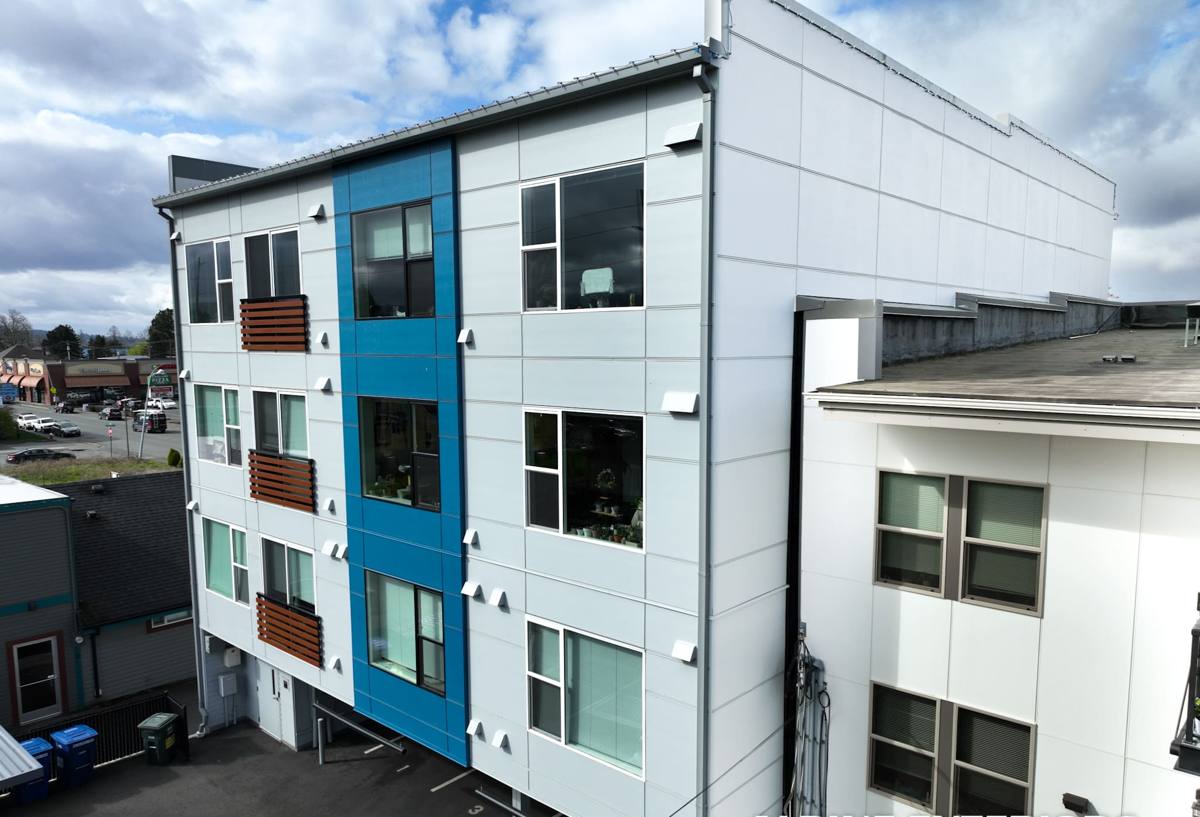
Barkley has a mix of home ages and styles — traditional lap-sided homes, some Craftsman-influenced details, and newer construction. HardiePlank lap siding in a smooth or cedarmill texture covers most of that range, and HardieShingle or HardiePanel can be layered in for accent gables, dormers, or board-and-batten sections without mixing manufacturers. ColorPlus finishes come pre-baked at the factory in a range of tones that hold up to UV and salt air far better than field-applied paint, and Hardie's color-matched trim and caulk keep the whole system consistent.
| Product | Typical Use | Why It Fits Here |
|---|---|---|
| HardiePlank Lap Siding | Primary wall cladding | Classic lap look, factory finish resists moss and UV fade |
| HardieShingle | Accent gables, dormers | Adds texture without leaving the Hardie system |
| HardiePanel | Board-and-batten sections, porches | Clean modern lines, holds finish in shaded areas |
| HardieTrim | Corners, window and door casing | Matches color and won't rot at cut ends like wood trim |
Our Process on a Barkley Project
Every fiber cement job we run follows the same sequence, regardless of the specific street or block in Bellingham it's on:
- Walk the home and assess the existing wall assembly, trim condition, and any moisture damage before quoting
- Remove old siding down to the sheathing and inspect for rot, especially around windows and at the base of walls
- Repair or replace damaged sheathing and framing before anything new goes up
- Install a code-compliant weather-resistant barrier with proper shingle-lap sequencing
- Flash every penetration — windows, doors, hose bibs, vents, and roof intersections — before siding covers it
- Add a rainscreen gap where the wall assembly and local conditions call for it
- Install HardiePlank and accessories to Hardie's fastening, clearance, and gap specifications
- Caulk and touch up with Hardie-matched products, then walk the job with the homeowner
The steps that matter most for long-term performance — flashing, sheathing repair, and correct fastening — are also the steps a homeowner can't see once the siding is up. That's why we don't skip them to hit a faster timeline.
What Drives the Cost
Every Barkley home is different, so we won't quote a number without seeing the house, but these are the factors that move a project up or down within a broad range:
| Factor | Impact on Cost |
|---|---|
| Home size and wall complexity | More square footage and more corners, gables, and dormers add labor time |
| Condition of existing sheathing | Rot repair found during tear-off adds cost but prevents a bigger problem later |
| Siding profile and texture | Standard lap is more economical than shingle or panel accent work |
| Trim scope | Full trim replacement costs more than reusing sound existing trim |
| Access and site conditions | Tight lots, mature landscaping, or multi-story walls add labor |
As a rough guide, a full fiber cement replacement on a typical single-family home in this area runs into the tens of thousands of dollars once tear-off, repair, and trim are included — we'll give you a firm number after walking the property, not before.
Maintenance Through a Long Moss Season
Fiber cement is low-maintenance, not no-maintenance. In a climate with as much shade and moisture as Whatcom County sees, a few habits go a long way:
- Rinse shaded and north-facing walls once or twice a year to keep moss and algae from establishing
- Keep gutters clear so water isn't sheeting down the siding face
- Trim back vegetation that keeps a wall section damp and shaded for long stretches
- Recaulk joints if you see cracking or separation, using a Hardie-compatible sealant
- Check flashing and caulk annually around windows and doors, where most leaks start
None of this is heavy work, but skipping it in a wet climate is how small issues turn into sheathing repairs down the road.
Why Local Experience in Barkley Matters
A crew that already works this part of Bellingham knows what to expect before they pull the old siding off — where moisture tends to collect on homes near the water, how much moss buildup is normal versus a sign of a bigger drainage problem, and how local wind-driven rain patterns affect flashing details at corners and eaves. That familiarity shows up in fewer surprises during tear-off and a finished job that's built for the conditions it's actually going to face, not a generic install pulled from a manual written for a drier climate.
Questions to Ask Before You Hire
Whether you talk to us or another contractor, these questions separate a crew that understands fiber cement from one that's treating it like any other siding job:
- Do you install to the manufacturer's written fastening and clearance specifications, or your own shortcuts?
- What's your plan for flashing at windows, doors, and roof intersections?
- Will you inspect and repair sheathing before new siding goes up, or just cover what's there?
- Is a rainscreen gap part of your standard install in this climate?
- What does the manufacturer's warranty cover, and does it transfer if the home sells?
If you're weighing a siding replacement or repair in Barkley, we're happy to take a look and walk you through what your home actually needs — no pressure, no obligation. Use the form below to request a free estimate.