 Bellingham
 Decks Built for South Hill's Hillside Lots and Bay-Facing Weather
South Hill sits above downtown Bellingham on a slope that gives a lot of homes a real view of Bellingham Bay — and that same elevation and exposure means decks up here take a different kind of weather beating than a deck in a sheltered valley lot. Salt-laden air off the bay, driving rain that comes in sideways during a southwesterly blow, and a moss season that can run eight months out of the year all work on wood, fasteners, and footings in ways that generic deck-building advice doesn't account for. We build custom decks specifically for South Hill's terrain and climate, not a one-size-fits-all spec pulled from a catalog.
Because a lot of South Hill's housing stock is older, we also spend real time on what's already there — foundations, ledger connections, and grading that were built to a different code era — before we ever talk about decking material or railing style. A deck that looks right but is fastened wrong is the most common failure we get called out to fix, and it's entirely avoidable.
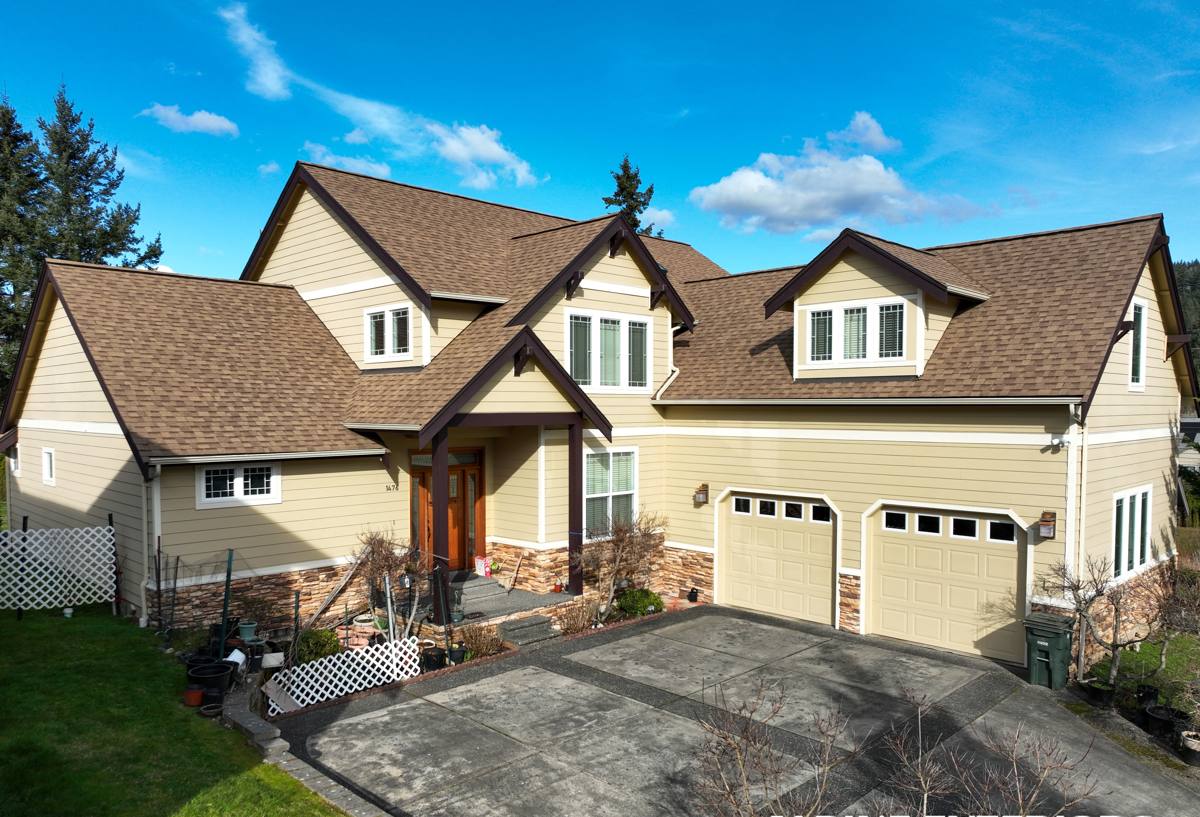
What South Hill's Climate Actually Does to a Deck
Salt Air and Metal Fatigue
Homes with any bay exposure get a steady low-level dose of salt air, and that air is hard on unprotected fasteners, cheap hardware, and anything galvanized rather than stainless or coated for coastal use. Corroded fasteners are a slow problem — they don't fail all at once, they loosen and weaken over years, usually right at the connections carrying the most load.
Driving Rain and Wind-Driven Moisture
Elevation on South Hill means more direct wind exposure during a storm than a lot of Bellingham's lower neighborhoods get. Rain doesn't just fall straight down here — it's pushed sideways into ledger boards, post bases, and any horizontal surface where water can pool instead of shed. Flashing and drainage details that would be optional on a calm, sheltered lot are not optional here.
Moss and Sustained Dampness
Whatcom County's moss season is long, and a deck with poor airflow underneath or boards spaced too tight will hold moisture and grow moss on the walking surface itself — which is both a maintenance headache and a slip hazard on stairs and ramps. Board spacing, joist spacing, and under-deck ventilation all affect how fast moss takes hold.
Tree Cover and Shade
A good number of South Hill lots have mature trees, which is a real asset for privacy and shade but also means more organic debris landing on the deck surface and in the gaps between boards, plus areas that stay damp longer because they see less direct sun. Material choice and drainage design both need to account for how much shade a specific deck will actually get through the day.
What a Correctly Built Deck Includes
A deck that holds up on South Hill isn't about upgrading one flashy material — it's about getting a handful of structural and drainage details right, every time, regardless of what decking surface you choose.
- Ledger board attached with proper flashing that sheds water away from the house rim joist, not into it
- Hot-dip galvanized or stainless structural hardware and fasteners rated for exterior and coastal-adjacent use
- Footings sized and set below frost depth, adjusted for the actual slope and soil on a hillside lot
- Joist spacing and blocking that matches the decking material's span rating — not a generic spacing applied to every deck
- Positive drainage under the deck so water moves away from the house and footings instead of pooling
- Adequate airflow beneath low decks to reduce moss growth and slow rot
- Guard rail height and baluster spacing that meet current code, especially important on elevated or view decks
- Stair stringers sized for the actual rise and run of a sloped yard, not a flat-lot assumption
Hillside Framing: Where South Hill Decks Get Complicated
A sloped lot changes the engineering math. Post heights vary across the same deck, footing depths have to account for the grade, and in some cases you're building a multi-level deck just to get a usable flat surface out of a hillside yard. This is also where a lot of DIY and low-bid deck jobs go wrong — undersized posts on the downhill side, footings that aren't actually below frost depth because the excavation got harder than expected, or beams spanning further than they're rated for because the framing plan didn't account for the slope. We design the substructure around the grade first, then build the deck the homeowner actually wants on top of it.
Choosing a Decking Material for South Hill Conditions
There's no universally "best" decking material — there's a best material for a given deck's sun exposure, shade, budget, and how much upkeep the homeowner actually wants to do. Here's how the common options compare for South Hill's specific mix of shade, moss, and salt air.
| Material | Moss/Moisture Resistance | Maintenance | Typical Lifespan | Best Fit |
|---|---|---|---|---|
| Pressure-treated wood | Fair — needs cleaning and sealing to resist moss | Annual cleaning, periodic sealing | 10-15 years | Budget-conscious projects, sunnier lots |
| Cedar | Good natural resistance, still needs care in shade | Regular sealing to keep color and resist moisture | 15-20 years | Homeowners who want a natural wood look and will maintain it |
| Composite decking | Very good — resists moisture absorption | Occasional washing, no sealing/staining | 25-30 years | Shaded, damp, or low-maintenance-priority lots |
| PVC decking | Excellent — non-porous, doesn't absorb moisture | Minimal, occasional washing | 25-30+ years | High-shade or heavy tree-cover lots prone to moss |
On heavily shaded South Hill lots, we generally steer clients toward composite or PVC decking not because wood is a bad product, but because the maintenance burden of keeping a shaded wood deck moss-free and sealed is genuinely higher than most homeowners want to sign up for. On sunnier, more exposed lots, cedar or quality pressure-treated wood is a perfectly sound and more budget-friendly choice — the deciding factor is sun exposure, not brand preference.
Railings, Stairs, and View Considerations
A lot of South Hill decks are built specifically to take advantage of a bay view, which usually means cable rail or glass panel railing to keep sightlines open, versus a more traditional picket railing on a deck built mainly for privacy or a backyard setting. Whichever style fits the home, the structural requirements — post spacing, top rail load rating, baluster gap limits — are the same, and we don't cut corners on those to get a cleaner look. Stairs on a hillside lot also need extra attention: consistent rise and run, secure handrails, and a walking surface that won't hold moss on a slope where a slip has more consequence than it would on flat ground.
Our Process for a South Hill Deck Project
- On-site assessment: We walk the actual lot, note the slope, sun/shade pattern, existing structure condition, and drainage path before proposing anything.
- Design and material selection: We recommend decking, railing, and structural approach based on that specific lot's exposure — not a standard package.
- Permitting: We handle the permit process with the City of Bellingham for the scope of work that requires it, so the homeowner isn't navigating that alone.
- Demo and structural work: Removal of any failing existing deck, footings, framing, and ledger work done to current code.
- Decking, railing, and finish work: Surface installation, railing, stairs, and any trim or skirting.
- Final walkthrough: We go over the finished deck with the homeowner, including basic care guidance for whatever material was installed.
Why Local Experience on South Hill Matters
A contractor who's worked South Hill's hillside lots before knows what a slope survey is going to turn up before they dig, knows which older homes in the area tend to have rim joist issues at the ledger connection, and doesn't have to learn Bellingham's permitting process on the homeowner's timeline. That local familiarity translates directly into fewer surprises, fewer change orders, and a deck built to actually hold up to Whatcom County's rain and moss season rather than one built to a generic national spec.
Maintenance Checklist for South Hill Deck Owners
Whatever material a deck is built from, a few habits go a long way toward getting the full lifespan out of it in this climate.
- Sweep leaves and debris out of board gaps regularly, especially under tree cover
- Clean moss off the surface and stairs as soon as it appears rather than waiting for it to spread
- Check fastener and railing connections annually for corrosion or looseness
- Reseal wood decking on the manufacturer's recommended schedule — don't stretch it in a shaded, damp spot
- Confirm under-deck drainage and ventilation stay clear of yard debris and overgrowth
- Inspect ledger flashing during a heavy rain to confirm water is still shedding away from the house
If you're planning a new deck or replacing one that's showing its age on a South Hill lot, we're happy to walk the site and give you a straightforward, no-pressure estimate — just fill out the form below to get started.