 Bellingham
 Deck Repair Built for Cordata's Weather
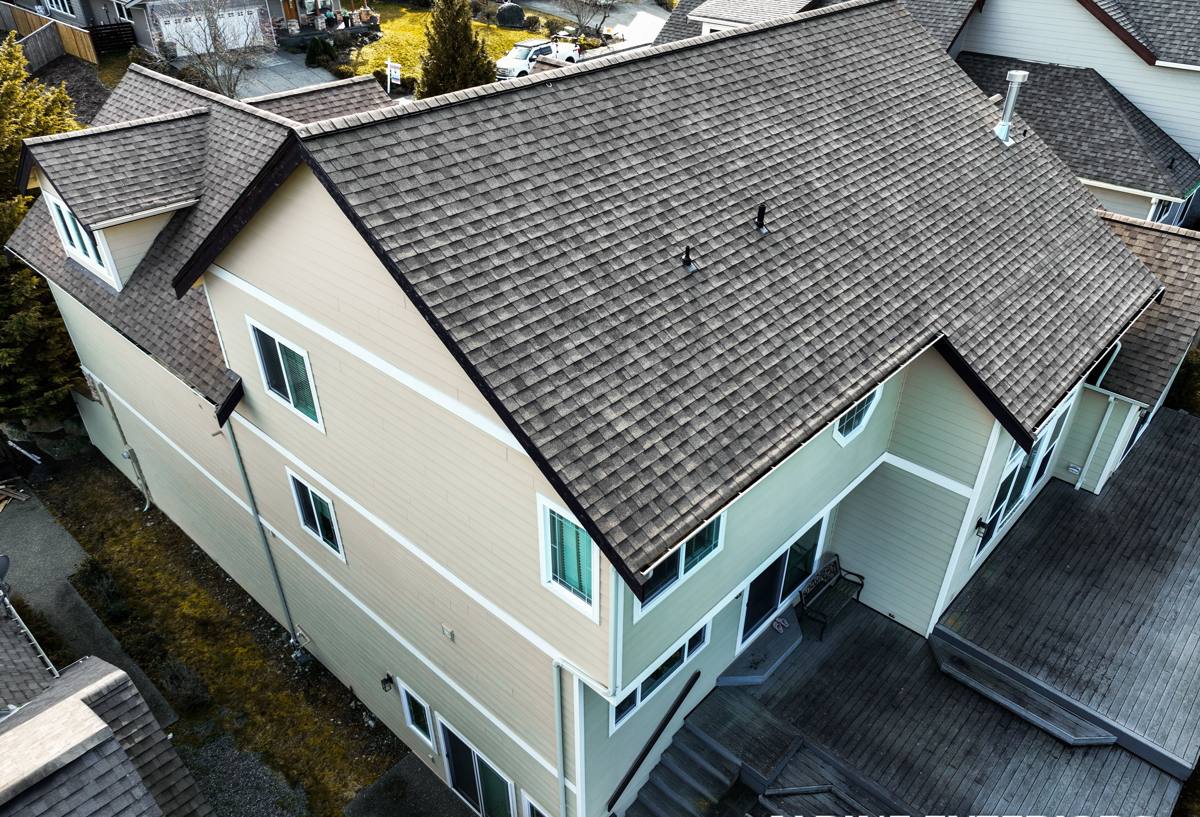
Cordata sits in north Bellingham, close enough to Bellingham Bay that homes here still catch salt-laden air on windy days, on top of the driving rain and long moss season that every neighborhood in Whatcom County deals with. Decks take the brunt of it. They're horizontal surfaces exposed to standing water, wind-blown rain, and shade from the mature trees common in this part of town, which means moisture sits longer than it would on a wall or roofline. Over time that turns into soft boards, rusted fasteners, and ledger connections that quietly lose their grip on the house.
We repair decks in Cordata regularly, and the pattern is consistent: problems that start small and cosmetic (a gray, fuzzy board here, a little moss in the corners there) don't stay small. Catching them early is cheaper and safer than waiting until a board gives way underfoot.
Why Local Decks Fail Faster Than Homeowners Expect
Moisture That Never Fully Dries Out
Whatcom County doesn't get the hard freeze-thaw cycles that crack concrete in colder climates, but it makes up for it with sheer duration of dampness. A deck here can go weeks in fall and winter without a full dry-out period. Wood fiber that stays wet swells, and swelling breaks down the glue lines in engineered boards and the cell structure in solid lumber alike.
Moss and Algae Aren't Just Cosmetic
Moss holds moisture directly against the wood surface and roots into any texture it can find, including the grain of weathered decking. Left alone through a full moss season, it accelerates surface rot and makes boards slick and dangerous well before they look structurally bad.
Salt Air and Metal Fasteners
The mix of salt-influenced air and constant humidity is hard on fasteners and hardware. Nails, screws, and joist hangers that aren't rated for exterior or coastal-adjacent exposure corrode from the inside of the connection outward, which is exactly the kind of failure you can't see until you're testing a board with your foot.
Signs Your Deck Needs Repair, Not Just Cleaning
- Boards that feel spongy, springy, or give slightly when you walk across them
- Gaps opening up between deck boards or at the ledger board where the deck meets the house
- Visible dark staining, especially near fastener heads or board ends
- Railings or posts that wobble more than a firm push should cause
- Stairs that feel less solid than the rest of the deck
- Moss or algae that returns within weeks of cleaning
- Rust streaks bleeding out from screws or nail heads
- A musty smell coming from underneath the deck
Any one of these on its own might be minor. Two or three together usually means there's a moisture problem working its way through the structure, not just the surface.
What a Correct Deck Repair Actually Involves
A lot of deck "repair" work in this climate is done from the top down — replace the obviously bad boards, sand, restain, done. That approach treats the symptom and skips the cause. Our process starts underneath.
Structural Inspection First
We check the ledger board attachment, joists, beams, and post bases before touching the decking surface. This is where the real safety issues live. A deck can have brand-new boards on top and still be unsafe if the ledger flashing has failed or a support post has soft wood at the base.
Matching Repairs to the Actual Damage
Rot doesn't always stop at the board you can see. We probe surrounding wood with an awl or screwdriver to find the true boundary of the damage rather than assuming it ends where the discoloration does. Cutting out and sconsolidating everything that's compromised, even if it means removing more than the homeowner expected, is what keeps a repair from reopening in a year.
Fastener and Hardware Upgrades
Where we open up a connection during repair, we replace fasteners and hardware with exterior-rated, corrosion-resistant hardware appropriate for this climate, not whatever matches what was there originally if the original spec was undersized for the exposure.
Flashing and Drainage
A huge share of deck failures we see trace back to missing or failed ledger flashing, which lets water track behind the board and into the house rim joist. Repairing decking without correcting bad flashing just resets the clock on the same failure.
Common Deck Materials in Cordata and How They Hold Up
| Material | Typical Failure Mode Here | Repair Considerations |
|---|---|---|
| Pressure-treated pine | Surface checking, rot at fastener points, moss growth in shaded areas | Most common material; individual board replacement is usually straightforward and cost-effective |
| Cedar | Graying, splintering, rot if finish wasn't maintained | Sourcing matching cedar for spot repairs can be harder; sometimes a full resurface makes more sense |
| Composite decking | Fading, occasional edge swelling on older/first-generation products, fastener pull-through | Boards generally need full-length replacement rather than patching; substructure below is still usually wood and needs its own inspection |
| Older or mixed materials | Inconsistent wear, hidden substructure issues under newer-looking surface boards | Requires the most thorough underneath inspection since the top surface can hide real age of the frame |
We don't push composite as an automatic upgrade during every repair. If the existing structure is sound and the homeowner likes the current material, matching and repairing in kind is often the more honest, cost-effective call. Full material switches make sense when the substructure needs rebuilding anyway or when long-term maintenance load is the deciding factor.
Our Deck Repair Process
- On-site assessment — we walk the whole deck, check underneath where access allows, and test suspect boards, railings, and stairs by hand
- Written scope — a plain-language explanation of what's failing, what's cosmetic versus structural, and what we recommend fixing now versus monitoring
- Repair or rebuild sections — targeted replacement of boards, joists, posts, or hardware based on what the inspection actually found
- Flashing and moisture correction — addressing the ledger connection and drainage path, not just the visible boards
- Finish work — sanding, sealing, or staining to match the surrounding deck where materials allow
- Final walk-through — we point out what we did, what to watch, and a realistic maintenance timeline
Repair vs. Replace: How to Think About It
| Factor | Leans Toward Repair | Leans Toward Replacement |
|---|---|---|
| Structural frame condition | Joists and posts test solid | Widespread soft wood in the frame itself |
| Age of the deck | Under 10-12 years, isolated issues | Original construction is old and multiple systems are failing together |
| Extent of damage | Contained to a few boards or one section | Damage spread across most of the deck surface |
| Ledger and flashing condition | Sound, or a simple correction | Failed flashing with water intrusion into the house structure |
| Budget priority | Extend usable life at lower cost | Reset the maintenance clock and address everything at once |
Most repairs we do fall well short of full replacement cost. But we'll tell you plainly if a deck is past the point where repair is the financially smart choice — patching a frame that's failing in multiple places usually just delays a bigger job.
Why Hiring a Crew That Already Works in Cordata Matters
Deck problems in this neighborhood follow patterns that come from local building practices, common material choices from the decades this area was built out, and the specific way Whatcom County's rain and moss season interact with those choices. A crew that works here regularly recognizes those patterns fast instead of treating every deck as a blank slate. That means a more accurate inspection, fewer surprises mid-repair, and repair recommendations grounded in what actually holds up here rather than generic advice that doesn't account for our climate.
We also know the practical side of working in Cordata's residential streets and lots — reasonable start times, keeping work areas tidy for households and neighbors, and scheduling around the wetter stretches of the year when outdoor work needs weather windows.
Keeping a Repaired Deck in Good Shape
- Sweep off leaves and debris regularly, especially in fall when trees drop the most cover for moisture to hide under
- Rinse off developing moss before it establishes rather than waiting for a deep clean once a year
- Check railings and stair connections for movement a couple of times a year
- Reseal or restain wood decking on the schedule the product actually needs, not just when it looks faded
- Keep planters and rugs from sitting in one spot too long — trapped moisture underneath is a common early failure point
- Have the substructure looked at every few years even if the surface looks fine
A repaired deck with a little routine attention will outlast one that's ignored between problems, in a climate like ours especially.
If you're seeing soft boards, moss that keeps coming back, or a deck that just doesn't feel as solid as it used to, we're happy to take a look. We offer free, no-pressure estimates for Cordata homeowners — use the form below to get a time on the calendar.