 Bellingham
 Board & Batten Siding Built for Ferndale's Weather
Board and batten has become one of the most requested looks for Ferndale remodels and new builds — the wide, flat panels and crisp vertical battens give a home that modern farmhouse or craftsman edge without looking like every other house on the block. It works well with the working-waterfront, agricultural character of this part of Whatcom County, and it pairs naturally with the gable rooflines and covered porches common in the area. But board and batten is also one of the least forgiving siding styles when the installation is sloppy, because its vertical seams and exposed battens create more places for water to find a way in. In a town like Ferndale, sitting close to the Strait of Georgia and Puget Sound with salt-tinged air, frequent driving rain, and a moss season that can stretch most of the year under our tree cover and cloud ceiling, that margin for error gets even smaller.
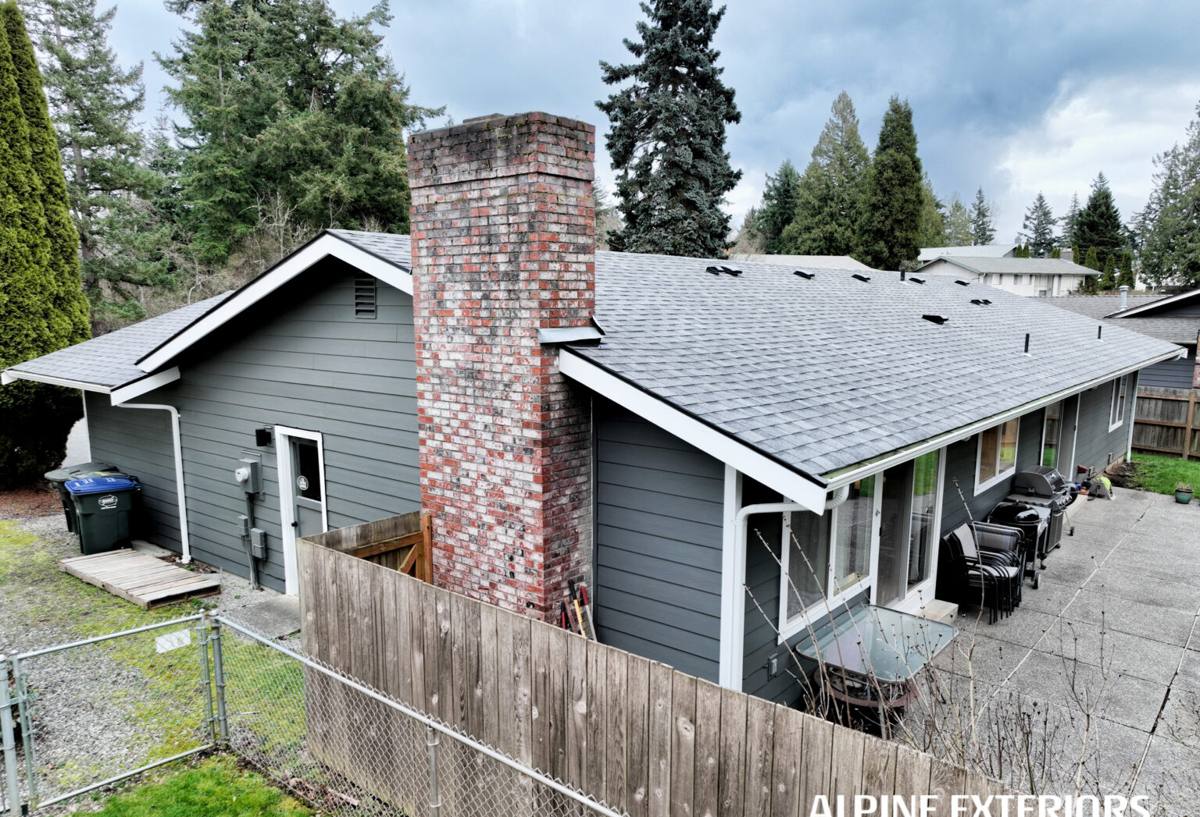
What Ferndale's Climate Demands From a Board & Batten System
Whatcom County weather is not dramatic, but it is relentless. Board and batten siding here has to survive a slow, steady grind of moisture and salt exposure rather than any single extreme event, and the system has to be built for that grind from the start.
Salt Air and Fastener Corrosion
Homes closer to the water in and around Ferndale pick up salt-laden air that accelerates corrosion on anything less than fully rated fasteners and trim hardware. On a board and batten wall, the battens themselves are fastened straight through into the panel and framing below, so every one of those fastener points is a potential rust streak or loosening point if the wrong hardware gets used. We spec corrosion-resistant fasteners rated for coastal exposure on every board and batten job, not just the ones closest to the water.
Wind-Driven Rain and Vertical Seams
Because board and batten runs vertically, every seam between panels is a straight line running down the wall — a natural path for wind-driven rain to travel if the seam isn't lapped, flashed, or battened correctly. Storms off the Sound tend to push rain sideways into west- and south-facing walls, which is exactly where sloppy seam work shows up first as staining, soft spots, or paint failure.
Moss, Shade, and Year-Round Moisture
Ferndale's tree cover and long gray stretches mean north-facing walls and shaded elevations stay damp far longer after a storm than sun-exposed ones. Moss and algae take hold fastest wherever moisture lingers against the wall, and a board and batten system without a drainage gap behind it traps that moisture right against the substrate instead of letting it evaporate.
Why We Install Board & Batten Only in James Hardie Fiber Cement
We install board and batten in James Hardie fiber cement exclusively — primarily HardiePanel vertical siding with HardieTrim battens, and in some cases the Artisan Collection for a more refined, tighter reveal. We don't offer this style in vinyl, engineered wood, or primed spruce, because the failure points described above — fastener corrosion, seam leakage, moisture trapped against the substrate — are exactly where those alternative materials struggle most under this kind of exposure.
Fiber cement is non-combustible and dimensionally stable, so it doesn't expand, contract, warp, or cup the way wood-based or vinyl panels can when they cycle through wet and dry conditions all winter. James Hardie's HZ5 product line is engineered specifically for climates like ours — freeze-thaw cycling, sustained damp exposure, and coastal air — and the ColorPlus factory finish means the color and topcoat are baked on under controlled conditions rather than field-applied, which matters enormously on a style like board and batten where every batten edge is a potential place for field-applied paint to wear thin first. Hardie also backs the product with a strong, transferable warranty, which carries real weight on a siding style that depends this heavily on correct, consistent installation.
What a Correct Installation Involves
Board and batten looks simple from the street, but a correct installation is more detailed than a standard lap siding job. Getting it right means addressing several things most crews treat as afterthoughts.
- A drainage/rainscreen gap behind the panels so any moisture that gets past the surface can drain and dry instead of sitting against the sheathing
- Correct panel and batten spacing that accounts for material expansion, so seams don't telegraph or crack over time
- Corrosion-resistant fasteners sized and placed per manufacturer spec, driven through battens into solid framing, not just into the panel
- Properly lapped and sealed house wrap and flashing at every seam, window, door, and penetration before the first panel goes up
- Factory-finished ColorPlus panels and trim so field-painted cut edges are the only exposed raw material, and those are sealed per spec
- Careful attention to bottom starter courses and ground clearance, since splashback off decks, walkways, and landscaping is a common moisture source
- Manufacturer-specified caulking only where Hardie's install guide calls for it — not as a substitute for correct flashing
Where Board & Batten Installations Go Wrong
Most of the board and batten problems we get called out to inspect in the Ferndale and greater Bellingham area trace back to a handful of shortcuts. Battens nailed directly through panel seams without any drainage plane behind them trap water against the sheathing, which is often invisible until rot or staining shows up months or years later. Fastener spacing that's stretched too wide to save time leaves panels loose enough to flex in strong wind, which opens hairline gaps at the seams. And skipping the rainscreen gap entirely — installing panels flat against the house wrap — is the single most common mistake we see, because it looks fine on install day and only becomes a problem after a full wet season of moisture cycling.
Board & Batten Material Comparison for Ferndale Homes
| Factor | James Hardie Fiber Cement | Vinyl Board & Batten | Engineered Wood / Primed Spruce |
|---|---|---|---|
| Moisture behavior | Dimensionally stable, engineered for wet climates | Can warp or bow with heat and moisture cycling | Prone to swelling and rot if moisture reaches the substrate |
| Salt air resistance | Non-combustible material unaffected by salt exposure; fasteners are the main variable | Panels resist salt but fastener and trim hardware still corrode | Wood substrate is vulnerable to moisture-driven decay near salt air |
| Finish durability | Factory-baked ColorPlus finish holds color long-term | Color molded in but can fade and chalk | Field-applied paint wears fastest at cut edges and battens |
| Fire rating | Non-combustible | Combustible | Combustible |
| Long-term maintenance | Periodic wash and inspection | Low maintenance but limited repair options if damaged | Regular repainting and moisture monitoring required |
Our Process for Ferndale Homeowners
We start every project with an on-site walkthrough of the home, looking specifically at the elevations most exposed to weather, existing moisture damage, ventilation, and how the current siding is handling the site's drainage and shade conditions. From there we talk through panel and batten spacing, reveal width, and color options within the James Hardie ColorPlus line so the finished look matches the style you're going for, whether that's a clean modern farmhouse front or a more traditional look on a remodel.
During installation, we build in the rainscreen gap, install flashing and house wrap details before panels go up, and follow manufacturer fastener and spacing specifications throughout — not as an upsell, but because it's the difference between a wall that sheds water for decades and one that traps it. We clean the site daily, haul away all debris, and walk the finished job with you before we consider it done. Warranty registration happens as part of that final step, so the paperwork is handled and on file, not left for you to chase down later.
Why Hiring a Crew That Already Works in Ferndale Matters
A crew that's worked Ferndale and the surrounding Whatcom County area already understands which elevations catch the worst of the wind off the water, how far moss and shade problems typically extend up a wall, and what local permitting and inspection expects for siding replacement. That local knowledge shows up in small decisions — where to add extra flashing attention, which starter details need reinforcing near sprinkler systems or low landscaping — that a crew unfamiliar with the area might not think to address. It also means faster turnaround on scheduling and material ordering, since we're not learning the region's quirks on your project.
Living With Board & Batten Through Whatcom County's Moss Season
Even a correctly installed board and batten system benefits from basic seasonal attention here. Keeping gutters clear so roof runoff isn't sheeting down the wall, trimming back vegetation that shades and dampens siding longer than necessary, and doing a periodic gentle wash to keep moss and algae from taking hold all go a long way. Because James Hardie panels are factory-finished and dimensionally stable, this maintenance stays simple — it's upkeep, not repair, which is the point of installing the system correctly in the first place.
If you're considering board and batten for a Ferndale home, we're happy to walk the property with you and talk through what the job actually involves — no pressure, no obligation. Use the form below to request a free estimate.