 Bellingham
 Decks Built for the Way South Hill Actually Weathers
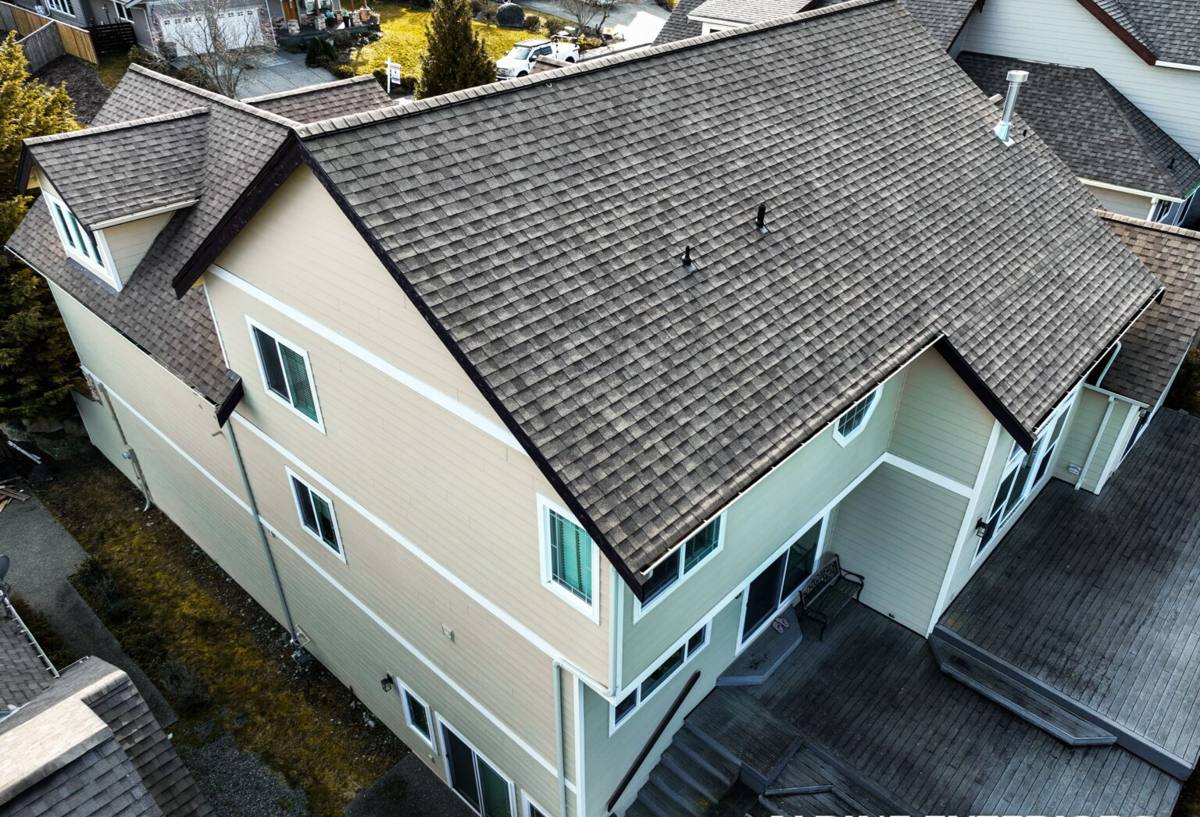
South Hill sits up above the flatter parts of Bellingham, with a mix of older homes and newer builds enjoying some of the best views in Whatcom County. That elevation and exposure is a selling point for a deck — more sun, more wind off the bay, more reason to actually use outdoor space. It's also exactly why decks up here take more of a beating than decks in a sheltered inland yard. Wind-driven rain hits harder, moss and algae get a longer season to establish themselves, and the salt air rolling in off Bellingham Bay is slowly working on every piece of exposed metal and fastener on the structure.
A deck built without accounting for that is a deck that looks fine for a season or two and then starts showing problems — soft spots, rust streaks, slick green boards, ledger rot where the deck meets the house. This page is about what it actually takes to build a deck on South Hill that holds up, not just what it takes to build a deck.
What Bellingham's Climate Does to an Outdoor Structure
Whatcom County's marine climate is mild, which is part of why people move here — but mild doesn't mean gentle on wood and fasteners. A few specific things matter for deck longevity in this area:
- Driving rain: South Hill's exposure means rain often comes in at an angle, not straight down, which drives moisture into joints, end grain, and any gap where flashing or sealant is doing a marginal job.
- Long moss and algae season: Cool, damp conditions for much of the year give moss and algae far more time to take hold on decking, railings, and stair treads than in a drier climate. Once established, they hold moisture against the wood and make surfaces slippery.
- Salt air: Proximity to Bellingham Bay means airborne salt accelerates corrosion on fasteners, brackets, and any hardware that isn't rated for coastal exposure.
- Freeze-thaw cycling: It doesn't happen constantly here, but Whatcom County does get enough freeze-thaw swings that trapped moisture in end grain or fastener holes can do real damage over a few winters.
None of this means a deck on South Hill is a bad idea — it means the details of how it's built matter more here than they would somewhere drier and calmer.
Choosing the Right Decking Material for This Climate
There's no single "correct" decking material — the right choice depends on how much maintenance you're willing to do, your budget, and how much sun and rain your particular lot gets. Here's how the common options actually compare under South Hill conditions:
| Material | Moss/Moisture Behavior | Maintenance Needed | Typical Lifespan |
|---|---|---|---|
| Cedar (real wood) | Naturally rot-resistant but still needs to shed water; moss will grow on shaded or north-facing boards without upkeep | Annual cleaning, periodic staining or sealing | 15-20 years with consistent care |
| Pressure-treated pine | Treated for rot resistance but more prone to cupping and checking with repeated wet/dry cycles | Regular cleaning, sealing every 1-2 years | 10-15 years with consistent care |
| Composite decking | Doesn't rot, but moss and algae can still grow on the surface film in shaded, damp spots | Periodic washing to keep moss from building a film | Long-lasting; check manufacturer warranty terms |
| PVC/capped polymer | Fully sealed surface resists moisture intrusion best; still needs occasional washing to prevent surface algae | Lowest maintenance of the group | Long-lasting; check manufacturer warranty terms |
We'll walk through these trade-offs with you honestly — including where a lower-maintenance product costs more up front, and where a wood deck can be the right call if you're comfortable with the upkeep it needs in this climate.
Why We're Selective About Which Composite Products We Install
Not all composite and PVC decking handles our climate equally well. Some budget composite products absorb more moisture at the cut ends and fastener points than others, which matters when a board is getting soaked and dried repeatedly for eight or nine months of the year. We stick to products with warranty structures and moisture performance that hold up to marine climate conditions, rather than the cheapest option on the shelf — that's a standard we apply on every deck, not a knock on any particular brand.
The Structural Details That Actually Determine How Long a Deck Lasts
The decking surface is what you see, but the framing underneath is what determines whether the deck is still solid in ten years. This is where corners get cut on lower-quality builds, and it's the part homeowners can't easily inspect themselves once the deck is finished.
Ledger Board Flashing
Where a deck attaches to the house is the single most common failure point on decks in wet climates. If the ledger board isn't properly flashed to shed water away from the house rim joist, water gets trapped against the structure and starts rotting it from the inside — often invisibly, until the deck starts to feel spongy or pull away from the house. Correct flashing detail here isn't optional in a climate like ours.
Fastener and Hardware Selection
Given the salt air off the bay, we specify corrosion-resistant fasteners and structural hardware rated for coastal or wet-climate exposure, not standard interior-grade hardware. Cheaper fasteners might hold up fine in a dry inland climate; on South Hill, the wrong fastener choice shows up as rust streaks and weakened connections well before the wood itself fails.
Footings and Drainage
Footing depth needs to account for our frost line and soil conditions, and footings on sloped South Hill lots need to be engineered for that grade rather than just poured level with the surrounding ground. Water needs a clear path away from the footings and posts — standing water at the base of a support post is one of the fastest ways to shorten a deck's structural life.
Joist Protection
Joist tape or an equivalent moisture barrier over the top of each joist keeps water from soaking into the fastener holes where deck boards are screwed down — one of the most common places rot starts on an otherwise sound deck.
Permits and Code on South Hill
Most new decks in Bellingham and unincorporated Whatcom County require a building permit, particularly if the deck is attached to the house, elevated above a certain height, or includes stairs and guardrails. Requirements can also touch on setbacks from property lines and, on some South Hill lots, critical areas or slope considerations given the hillside terrain. We handle the permitting process as part of the job — pulling the right permit, meeting inspection requirements, and building to current guardrail and stair code — so you're not left guessing whether your new deck is actually up to code.
Our Process, Start to Finish
- Site visit and assessment: We look at your lot's exposure, slope, drainage, and how the deck will attach to the house, and talk through what you actually want to use the space for.
- Design and material selection: We walk through decking and framing options honestly, including maintenance trade-offs specific to this climate, and settle on a design and layout that fits the home and budget.
- Permitting: We prepare and submit the permit application and handle the inspection scheduling that goes with it.
- Construction: Footings, framing, flashing, decking, and railing are built in sequence, with attention to the moisture-management details covered above at every step.
- Final walkthrough: We go over the finished deck with you, including basic care guidance for our climate before we consider the job done.
Living With a Deck Through a South Hill Winter
Even a well-built deck needs some seasonal attention in this climate — the difference is that a properly built deck needs far less of it, and what it does need is straightforward.
- Sweep leaves and debris off the deck surface regularly in fall — trapped organic matter is what feeds moss and algae growth.
- Wash the deck surface at least once or twice a year to keep moss and algae film from establishing, especially in shaded or north-facing areas.
- Check that gaps between deck boards stay clear so water can drain through rather than pooling.
- Look at stair treads and any shaded walkway areas for slickness going into the wet months — this is a safety issue, not just an appearance one.
- Inspect the ledger board area and any visible fasteners once a year for early signs of rust staining or gaps that could let water in.
- If you have a wood deck, keep to a sealing or staining schedule rather than waiting until boards are visibly graying and absorbing water.
Why a Crew That Already Works South Hill Makes a Difference
Deck building isn't exotic work, but building one that actually holds up on a hillside lot exposed to Bellingham Bay weather takes a builder who treats the flashing, fastener, and drainage details as non-negotiable rather than optional upgrades. A crew that already works in this neighborhood knows the permitting process with the city and county, has a feel for how South Hill's slope and exposure affect footing and drainage decisions, and has seen firsthand what happens to decks built without those details — because we're often the ones called to fix them years later.
That local experience shows up in fewer surprises during the build and a deck that's still solid well past the point where a corner-cut deck starts having problems.
Get a Straight Answer on Your Deck Project
If you're planning a new deck on South Hill or replacing one that's showing its age, we're happy to take a look and talk through honest options for your lot, your budget, and how much upkeep you actually want to deal with. Reach out for a free, no-pressure estimate using the form below.