 Bellingham
 Siding Built for the Way Sudden Valley Actually Weathers
Sudden Valley sits in a different microclimate than a lot of Bellingham. Tree cover is heavier, lots are often sloped, and many homes sit in partial shade for a good part of the day. That combination keeps siding damp longer after every rain, which is exactly the condition moss, algae, and slow-rot fungi need to get established. Add in the driving rain and salt-laden marine air that move through Whatcom County off the Sound, and you have a set of conditions that punishes the wrong siding choice faster than almost anywhere else in the county. A siding installation here isn't just about appearance — it's about picking a material and installation method that can actually stand up to shade, moisture, and a moss season that runs longer than most homeowners realize.
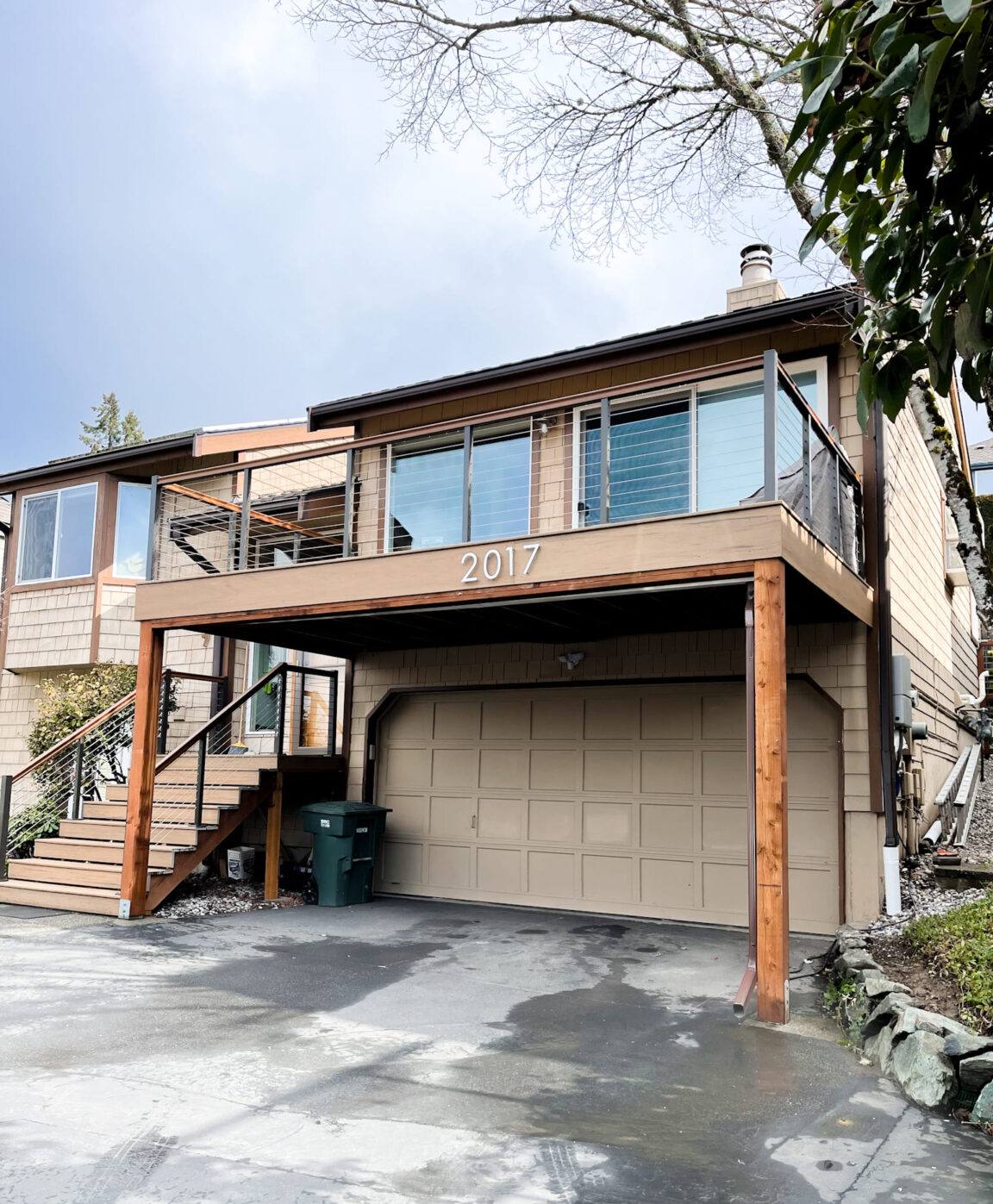
What Bellingham's Climate Does to Siding Over Time
Whatcom County doesn't get extreme weather so much as relentless weather. Rain falls often and at an angle, humidity stays elevated for months at a stretch, and the marine air carries salt and moisture that slowly break down materials not engineered for it. None of this is dramatic in any single week — it's cumulative, and it shows up years down the road as cupped boards, soft trim, peeling paint, or siding that's grown a green film no amount of scrubbing keeps off for long.
The Moss and Algae Problem
On shaded, tree-lined lots like the ones common around Sudden Valley, north-facing and tree-shielded walls can stay damp for days after a storm. Wood-based sidings and porous painted surfaces are especially vulnerable — moss and algae take hold in the surface texture and hold moisture against the substrate, which accelerates rot underneath long before it's visible from the ground.
Wind-Driven Rain and Wall Assemblies
Rain in this region rarely falls straight down. Wind pushes it sideways into wall assemblies, which means the quality of the water-resistive barrier, flashing, and joint sealing behind the siding matters just as much as the siding material itself. A beautiful product installed with sloppy flashing details will still let water in — and once water gets behind the cladding on a shaded, slow-to-dry wall, problems compound quickly.
Why We Install Only James Hardie Fiber Cement
We made a deliberate decision as a company to install James Hardie fiber cement exclusively — not vinyl, not LP SmartSide, not cedar, not primed spruce, not other fiber cement brands. That's not a marketing angle; it's a standard we hold because of what we've seen happen to the alternatives in exactly this kind of climate.
Wood and engineered-wood sidings depend heavily on an intact paint or coating layer to keep moisture out. Once that layer is compromised — by moss, by a missed touch-up, by years of driving rain — the substrate underneath is organic material that can swell, rot, or delaminate. Vinyl handles moisture fine on its own, but it's a thin, flexible material that can warp under direct sun exposure, crack in cold snaps, and simply doesn't hold up as a long-term, paintable, repairable surface the way fiber cement does. James Hardie's fiber cement is engineered specifically to resist moisture intrusion, doesn't support moss growth the way wood fiber does, and holds its factory finish for years without the maintenance cycle wood-based products demand.
| Factor | Wood / Engineered Wood | Vinyl | James Hardie Fiber Cement |
|---|---|---|---|
| Moisture resistance | Depends on coating integrity | Good, but seams can trap water | Engineered for moisture exposure |
| Moss/algae resistance | Vulnerable in shaded areas | Moderate | Strong on a properly maintained finish |
| Fire performance | Combustible | Melts/deforms under heat | Non-combustible |
| Finish longevity | Repaint every few years | Fades, can't easily repaint | ColorPlus factory finish holds color long-term |
| Repairability | Board replacement common | Panel replacement, color-matching issues | Individual boards repairable, paintable |
What a Correct Siding Installation Actually Involves
Fiber cement performs the way it's supposed to only when it's installed to manufacturer spec. A lot of the failures we get called out to inspect on other people's work trace back to installation shortcuts, not the material itself.
Drainage Plane and Weather Barrier
Every wall gets a continuous water-resistive barrier behind the siding, installed to shed water downward and outward. On shaded, slow-drying walls like many in this area, we pay close attention to creating a real drainage gap so any moisture that does get behind the cladding can actually escape instead of sitting against the sheathing.
Flashing, Clearances, and Fastening
Correct installation means flashing above every window and door, proper kick-out flashing where rooflines meet walls, and consistent ground and roof clearances so the bottom edge of the siding never sits in standing water or snow. Fasteners go where James Hardie specifies, at the depth specified — overdriven or misplaced nails are one of the most common causes of cracking and premature wear.
Joints and Caulking
Butt joints, trim transitions, and penetrations for vents or fixtures are exactly where wind-driven rain finds its way in. We treat every joint as a place that needs a deliberate detail, not just a bead of caulk applied at the end.
Our Process for Sudden Valley Projects
Wooded, sloped lots change how a siding job gets planned and staged, so our process accounts for that from the first visit.
- On-site assessment of existing siding, trim, and any moisture or rot damage, including areas hidden by tree cover or shade
- Sheathing inspection once old siding comes off — any soft or damaged sheathing gets repaired before new siding goes on, not covered up
- Water-resistive barrier and flashing installed to current best practice, not just "up to code minimum"
- James Hardie fiber cement installed to manufacturer fastening, clearance, and joint specifications
- Trim, corners, and penetrations detailed and sealed as a system, not as an afterthought
- Site cleanup, including debris and old material hauled off, with attention to landscaping and access on tighter, wooded lots
Choosing the Right James Hardie Line and Finish for This Setting
James Hardie engineers its siding by climate zone, and the Pacific Northwest falls under the HZ5 line, built specifically for regions with sustained moisture exposure rather than extreme heat or hard freezes. That climate engineering matters more on a shaded, tree-lined lot than it does on an open, sunny one, because the siding spends more of its life wet.
The ColorPlus factory finish baked onto the boards resists fading and chipping far better than field-applied paint, which matters on a property where touch-up access can mean working around mature trees and uneven grade. We help homeowners choose textures and colors — lap siding, panel systems, shingle-style accents, trim boards — that suit both the wooded surroundings common around Sudden Valley and the architecture of the home itself.
Cost Factors for a Sudden Valley Siding Project
Every home is different, but the same handful of factors drive most of the variation in siding project cost in this area. We give straightforward, itemized estimates rather than vague ballpark numbers, but it helps to know what actually moves the price.
| Factor | Why It Matters |
|---|---|
| Home size and wall complexity | More square footage and more corners, gables, and trim details mean more material and labor |
| Site access | Sloped or wooded lots can require more careful staging and material handling than a flat, open lot |
| Existing damage | Rot or moisture damage found under old siding adds sheathing repair before new siding can go on |
| Siding profile and finish | Lap, panel, and shingle-style profiles and specialty ColorPlus finishes vary in material cost |
| Trim and detail work | Window and door surrounds, corner boards, and fascia detailing add labor time |
Why Local Experience with This Kind of Property Matters
A crew that's worked wooded, sloped lots in this part of Whatcom County knows how to stage a job without tearing up landscaping, how to plan around limited driveway or road access, and how to sequence work around weather windows that are shorter here than in drier parts of the state. They also know what shaded, moss-prone walls actually need in terms of drainage detailing — knowledge that only comes from having repaired the consequences of it being done wrong. That experience shows up in fewer surprises during the job and a finished installation that's built for the specific way this property will weather, not a generic install.
Maintenance After Installation
One of the real advantages of James Hardie fiber cement in a climate like this is how little ongoing maintenance it demands compared to wood-based siding. An occasional rinse to keep organic buildup from accumulating in shaded areas, a periodic visual check of caulking at trim joints, and prompt attention if a tree limb or debris ever damages a board is about the extent of it. There's no repaint cycle to manage and no annual sealing routine — the factory finish and the material itself are doing the work.
If you're planning a siding project for a home in Sudden Valley, we're glad to walk the property, look at what your current siding and trim are dealing with, and put together a clear, no-pressure estimate. There's a form below — reach out and we'll get you scheduled.