 Bellingham
 Windows Built for Silver Beach's Climate
Silver Beach sits close enough to Bellingham Bay and Lake Whatcom that homes here take the full brunt of what Pacific Northwest weather does best: salt-laden marine air, wind-driven rain that hits windows sideways instead of straight down, and a moss season that seems to run nine months out of the year. Whatcom County's climate is mild, but it's relentless — it's the constant dampness and temperature swings, not any single storm, that wear windows out from the inside.
Old or poorly installed windows in this environment don't just look tired. They let in drafts, fog up between the panes, and quietly drive up heating bills every month the moisture and cold keep working on them. Energy-efficient replacement windows, installed correctly for this specific climate, solve both problems at once: comfort and cost.
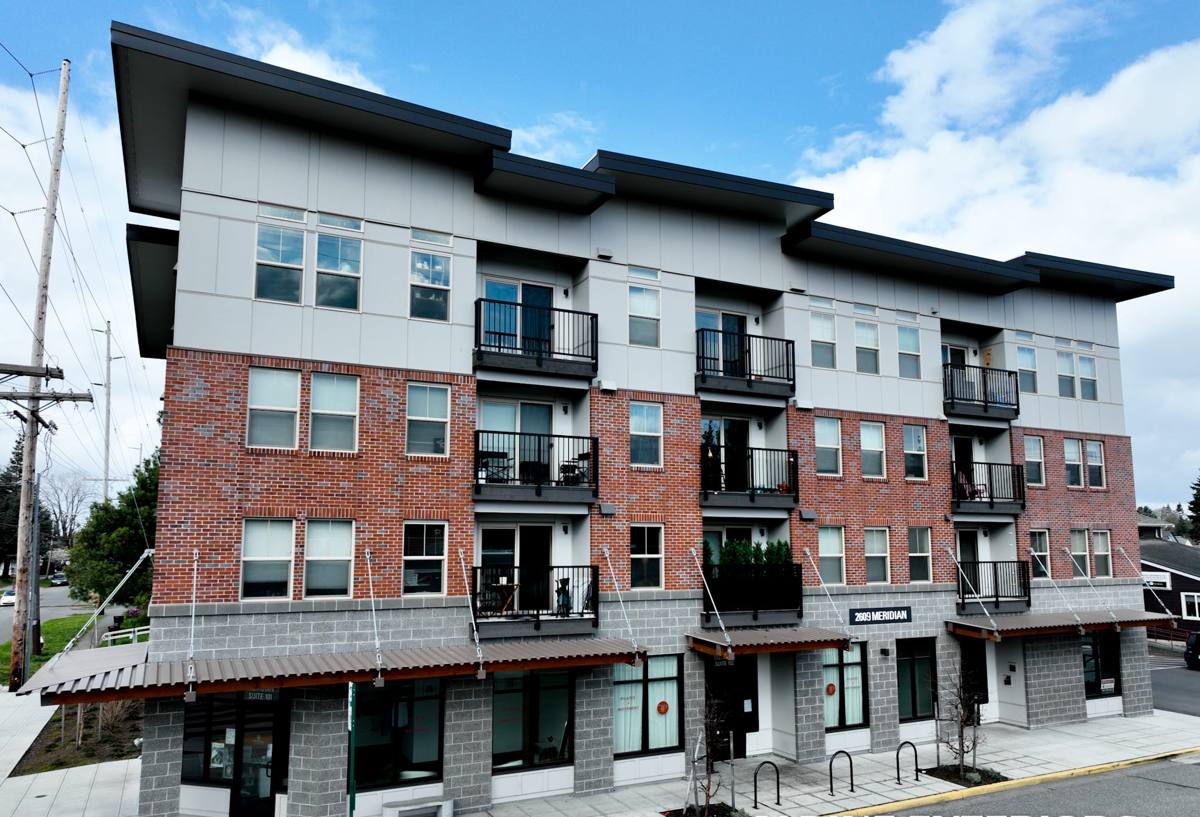
What This Climate Does to Windows Over Time
Before talking about glass packages and frame materials, it helps to understand what you're actually up against in Silver Beach and the surrounding Bellingham area:
- Salt-laden marine air corrodes hardware, hinges, and low-quality metal components faster than it would inland, especially on window faces that catch onshore wind.
- Wind-driven rain pushes water sideways and upward under sills and trim, which is exactly where a lot of window failures start — not through the glass, but around it.
- Long moss and mildew season keeps humidity high against exterior surfaces for months at a time, which stresses seals, caulking, and any wood trim that isn't properly protected.
- Frequent freeze-thaw swings, even mild ones, work caulking and weatherstripping loose faster than a drier, more stable climate would.
None of this means windows fail quickly here. It means the margin for error on materials and installation is smaller. A window or install method that would hold up fine in a dry inland climate can underperform within a few years in Silver Beach.
Signs Your Current Windows Are Underperforming
Homeowners often assume window problems are dramatic — cracked glass, windows that won't open. In practice, the more common signs are quieter and easy to miss:
- Visible fog or moisture trapped between panes of a double-pane window (a failed seal, not a cleaning problem)
- A noticeable draft near the frame even when the window is fully closed and locked
- Condensation forming on the inside of the glass regularly during cooler months
- Soft or discolored trim, sill, or wall area directly below or around a window
- Rooms near certain windows feeling colder than the rest of the house
- Windows that are difficult to open, close, or lock, especially after weather changes
- A heating bill that's crept up without any change in how the house is used
Any one of these on its own might be minor. Several of them together, especially on windows facing the prevailing weather, usually point to windows and seals that are past their useful life for this climate.
What "Energy-Efficient" Actually Means Here
"Energy-efficient" gets used loosely in the window industry. For Whatcom County homes, what actually matters is how a window performs against wind, moisture, and temperature swings together — not just its energy rating on paper.
The Glass Package
Double-pane windows with a low-emissivity (low-E) coating and an inert gas fill (typically argon) are the practical standard for this region. The low-E coating reflects heat back into the home in winter and blocks excess solar heat in summer, while the gas fill slows heat transfer between panes. Triple-pane glass adds another layer of insulation and can be worth it on north-facing or particularly exposed walls, but it adds cost and weight, and for most Silver Beach homes, a well-installed double-pane low-E unit is enough to make a real difference in comfort and utility bills.
The Frame Material
Frame choice matters as much as glass in a damp, salty coastal climate. We steer most homeowners toward vinyl or fiberglass frames for durability and low maintenance, and we're upfront about why: painted wood frames look great initially but require consistent upkeep to resist rot and moss growth in this climate, and bare aluminum frames conduct heat and cold directly through the frame itself, which works against the whole point of an energy-efficient upgrade. These aren't knocks on the products — they're honest trade-offs between appearance, maintenance commitment, and long-term performance that we walk through with every homeowner.
| Frame Material | Moisture Resistance | Maintenance | Insulating Value |
|---|---|---|---|
| Vinyl | Excellent — won't rot or corrode | Low — occasional cleaning | Good |
| Fiberglass | Excellent — very stable in wet/dry cycles | Low | Very good |
| Wood / Wood-Clad | Fair — needs protection and upkeep | High — periodic sealing/painting | Good |
| Aluminum (uncoated) | Good against moisture, poor thermally | Low | Poor without thermal break |
What a Correct Installation Involves
In a climate that drives rain sideways, the window unit itself is only part of the story. Most window failures we're called out to inspect in this area trace back to installation shortcuts around the opening, not defects in the window. A correct install includes:
- Removing and inspecting the old window opening for hidden rot or water damage before anything new goes in — this is often where problems that caused the original failure get found.
- Proper flashing integrated with the home's existing weather-resistive barrier, so water is directed out and away from the wall assembly rather than trapped behind it.
- Correct sill pan installation to catch and drain any water that gets past the primary seal, which matters more here than in drier climates.
- Air-sealing and insulating the gap between the window frame and the rough opening — a gap that's simply caulked over without proper insulation is a common source of drafts and energy loss.
- Exterior trim and caulking done with materials rated for continuous damp exposure, not standard interior-grade products.
Skip any one of these steps and you can end up with a window that's energy-rated on paper but still drafty, still prone to moisture intrusion, or still failing early — just with a bigger price tag than the one it replaced.
How Our Process Works
- Free on-site assessment. We walk the exterior and interior of your home, check existing windows for moisture damage or seal failure, and talk through which rooms or exposures are giving you the most trouble.
- Honest recommendation. We'll tell you plainly which windows need replacing now, which can wait, and which glass and frame combination fits your home and budget — no upselling windows you don't need.
- Written estimate. Clear pricing covering materials, removal, disposal, and installation, with no vague allowances.
- Careful removal and installation. Including flashing, sill pan work, and air-sealing as described above — not just "swap and caulk."
- Exterior finish work. Trim, caulking, and touch-up so the finished opening is weathertight and matches the rest of your home's exterior.
- Final walkthrough. We check operation, seals, and finish work with you before calling the job done.
Why Local Experience in Silver Beach Matters
Window performance in this trade is very site-specific. A crew that regularly works Silver Beach and the surrounding Bellingham neighborhoods already knows which walls in this area tend to take the worst of the wind and rain, how the local moss and moisture cycle affects exterior trim, and what installation details actually hold up under Whatcom County's marine climate year after year — versus what looks fine on installation day and starts failing in two winters.
That local pattern recognition is hard to replicate with a crew that mostly works drier or more sheltered inland markets. It shows up in small decisions: which side of the house gets extra flashing attention, which sill details need reinforcing, and which frame materials we simply don't recommend for homes with heavy sun and salt air exposure, regardless of what a manufacturer's brochure claims about performance in ideal conditions.
What Affects the Cost
Every home and window opening is different, so we don't quote sight-unseen prices. But these are the main factors that move the cost of a window project up or down:
| Factor | Why It Matters |
|---|---|
| Number of windows | Per-window cost typically drops as project size increases; bundling replacements saves on labor setup |
| Frame material | Vinyl is generally the most budget-friendly; fiberglass and wood-clad cost more upfront |
| Glass package | Standard double-pane low-E vs. triple-pane or specialty coatings changes material cost |
| Window size and style | Larger units, custom shapes, or operable styles like casements cost more than standard fixed or slider units |
| Condition of the opening | Hidden rot or water damage found during removal adds repair work before the new window goes in |
| Accessibility | Second-story or hard-to-reach windows require more labor and equipment |
We walk through these factors during the free assessment so you understand exactly what's driving your estimate, not just a bottom-line number.
Living With Energy-Efficient Windows in This Climate
New windows still need a little seasonal attention in a climate like Whatcom County's. Keeping weep holes clear of debris and moss lets water drain properly instead of pooling at the sill. A yearly check of exterior caulking, especially after a hard winter, catches small gaps before they become drafts or water paths. And keeping gutters and nearby vegetation trimmed back reduces the moisture and organic buildup that feeds moss growth right where it can do the most damage to trim and seals. None of this is heavy maintenance — it's the kind of upkeep that protects the investment you just made and keeps the windows performing the way they're supposed to for their full lifespan.
If your windows in Silver Beach are drafty, fogged, or just costing you more to heat and cool than they should, we're happy to take a look. The estimate is free, there's no pressure to move forward, and you'll get a straight answer about what your home actually needs — just fill out the form below to get started.