 Bellingham
 Ferndale's Climate Is Harder on Siding Than It Looks
Ferndale sits in a part of Whatcom County where marine air off the Salish Sea meets the damp, gray stretch of a Pacific Northwest winter that can run six or seven months long. That combination is quietly brutal on exterior siding. Salt-tinged air speeds up corrosion on fasteners and trim. Driving rain — the kind that comes in sideways during a fall or winter blow — finds every gap, seam, and nail hole that wasn't sealed correctly the first time. And the shade, humidity, and standing moisture that settle into north-facing walls and tree-lined lots create a moss and algae season that, for a lot of homes, never really ends.
None of that is dramatic on its own. It's cumulative. A siding system that's "close enough" on installation day in Ferndale doesn't fail in a year — it fails in five or seven, quietly, behind the wall, long after the crew that installed it is gone. That's the real argument for getting a Ferndale siding replacement done right the first time: the climate here doesn't forgive shortcuts, it just delays the bill.
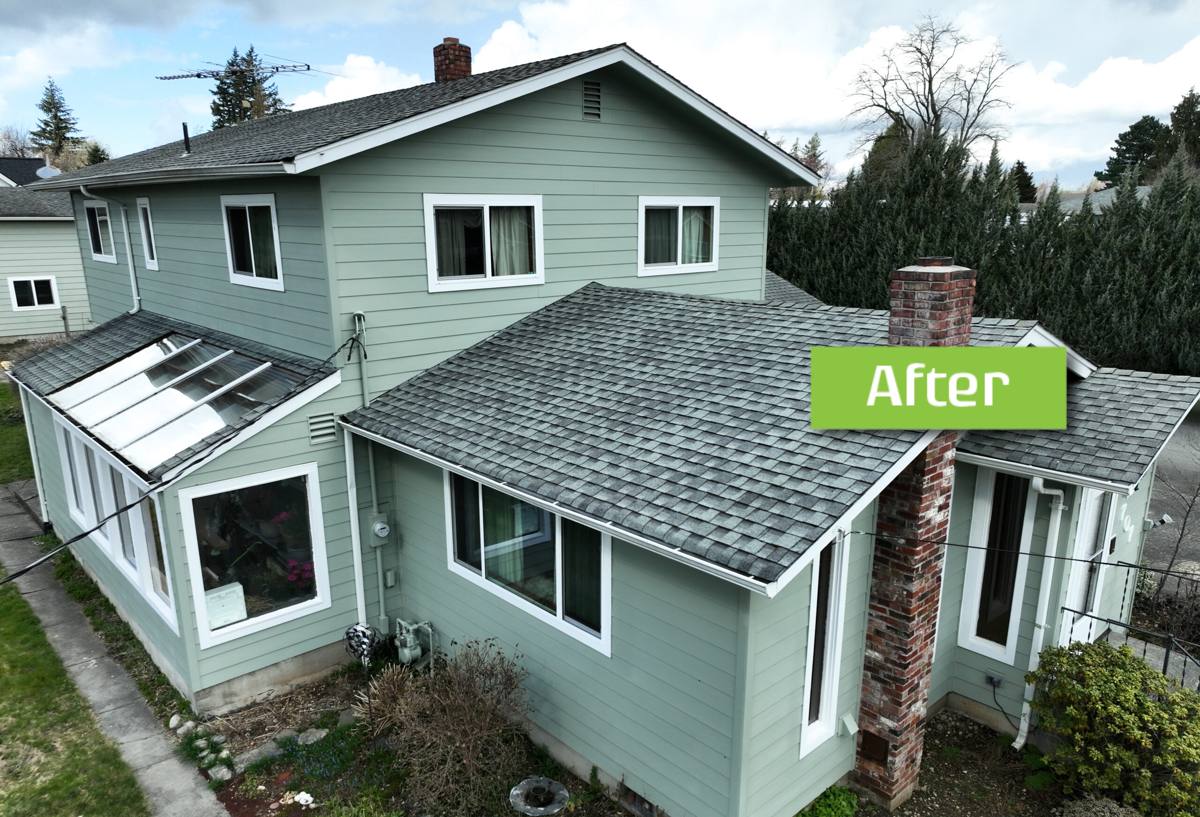
What Ferndale Homes Actually Need From Their Siding
Given the local conditions, a siding system for a Ferndale home needs to do a few specific things well, not just look good on the day it goes up:
- Shed wind-driven rain without relying on caulk alone to keep water out
- Resist swelling, softening, or rot at the bottom courses, where splashback and standing moisture do the most damage
- Hold paint and color well in a climate with limited sun exposure to dry things out between storms
- Stand up to moss and algae growth without needing constant pressure washing or chemical treatment
- Handle salt-influenced air without accelerated corrosion at fasteners, flashing, and trim
A lot of siding products can check one or two of these boxes. Very few check all of them consistently, year after year, without extra maintenance from the homeowner.
What a Correct Siding Replacement Job Involves
Siding replacement is not just pulling off old panels and nailing up new ones. In a wet climate like Ferndale's, most of the work that actually protects the house happens underneath the siding, where nobody sees it after the job is done.
Full Tear-Off and Inspection
Removing the old siding down to the sheathing lets us actually see the wall — not guess at it. This is where we find soft sheathing, old water staining, failed flashing, or rot around windows and doors that's been hidden for years. Skipping this step, or only replacing damaged sections, means covering up problems instead of fixing them.
Water-Resistive Barrier (WRB)
A properly lapped, sealed weather-resistive barrier is the actual waterproofing layer of the wall — the siding itself is the first line of defense, but the WRB is what keeps incidental moisture from reaching the framing. In a climate with as much sustained rain as Whatcom County gets, this layer has to be installed correctly, not just present.
Flashing at Every Penetration
Windows, doors, hose bibs, light fixtures, vents — every penetration through the wall is a place water can get in if it's not flashed correctly. This is one of the most common places we find corner-cutting on older installations, and it's usually the source of the rot we uncover during tear-off.
Correct Fastening and Clearances
Fiber cement siding has specific fastening patterns, nail penetration requirements, and clearance rules — including gaps at the bottom of the wall, around trim, and at grade — that exist specifically to keep water from wicking into the material or the wall assembly behind it. These aren't optional details; they're the difference between a 30-40+ year installation and a 10-year installation.
Why We Install Only James Hardie Fiber Cement Siding
We made a deliberate decision to install one siding system — James Hardie fiber cement — and not offer vinyl, LP SmartSide, cedar, or other fiber cement brands. That's not a marketing position; it's a standard we hold because of what we've seen hold up in this climate and what tends to struggle.
Why Not Vinyl
Vinyl is inexpensive and low-maintenance in mild, dry climates, but it's a thin, flexible plastic product. It expands and contracts significantly with temperature swings, can crack or become brittle in cold snaps, and its seams and J-channels give wind-driven rain more opportunities to get behind the wall. It also isn't paintable in most cases, so a homeowner is locked into factory colors for the life of the product.
Why Not LP SmartSide, Cedar, or Other Wood-Based Products
Engineered wood and real cedar are handsome materials, but they're organic — they need consistent maintenance (caulking, repainting, moisture management) to keep water and rot out, and Ferndale's long wet season and heavy moss exposure work directly against low-maintenance ownership. Cedar in particular requires ongoing sealing and refinishing to avoid graying, cupping, and rot at end grains and butt joints.
Why James Hardie
Fiber cement is non-combustible, dimensionally stable, and doesn't feed moss and algae growth the way untreated wood products can. James Hardie's HZ5 product line is engineered specifically for wetter, colder climates like ours, and their ColorPlus factory finish is baked on and warrantied against fading and peeling — which matters in a region that doesn't get much sun to dry a paint job out between rains. It's also backed by a strong transferable warranty, which protects both the current owner and resale value.
Our Siding Replacement Process for Ferndale Homes
- On-site assessment — We look at wall condition, existing siding type, moss/moisture patterns, and any visible trouble spots before quoting anything.
- Full tear-off — Old siding, trim, and any compromised building paper or house wrap come off completely.
- Sheathing repair — Any soft, rotted, or water-damaged sheathing is identified and replaced before anything new goes back on.
- WRB and flashing installation — A new water-resistive barrier is installed and properly lapped, with flashing detailed at every window, door, and penetration.
- Hardie installation to spec — Panels or lap siding installed per James Hardie's fastening, clearance, and joint requirements, not shortcuts.
- Trim, caulking, and paint touch-up — Final detailing at corners, trim boards, and seams.
- Walkthrough — We go over the finished job with the homeowner before calling it done.
Cost Factors for Ferndale Siding Replacement
Every home is different, but the biggest cost drivers for a Ferndale siding replacement project tend to fall into a few consistent categories:
| Factor | Why It Matters |
|---|---|
| Home size and wall complexity | More square footage and more corners, gables, and dormers mean more material and labor |
| Existing wall condition | Rotted sheathing or old water damage found during tear-off adds repair work before new siding goes up |
| Hardie product line and profile | Lap siding, panel siding, and shingle-style profiles vary in material and install cost |
| Trim and detail work | Window/door trim, corner boards, and fascia detailing add labor time |
| Access and site conditions | Multi-story walls, tight lot lines, or landscaping obstacles can affect scaffolding and staging |
| Color and finish | Factory ColorPlus finishes vs. field painting affect both cost and long-term maintenance |
Signs a Ferndale Home Needs Siding Replacement Soon
Not every issue means a full replacement, but these are the signs we take seriously when we're out assessing a home in this area:
- Soft or spongy spots when you press on the siding, especially near the bottom courses
- Persistent moss, algae, or black streaking that comes back quickly after cleaning
- Visible cracking, warping, or separation at seams and corners
- Paint that's peeling or bubbling rather than just fading
- Rising energy bills that point to compromised insulation or air sealing behind the wall
- Visible rot or staining around window and door trim
Why Hiring a Crew That Already Works in Ferndale Matters
A crew that regularly works Whatcom County homes already knows what this climate does to a wall assembly over time — where moss tends to build up, which wall orientations take the worst of the driving rain, and what a marginal flashing detail looks like five years in. That experience shows up in the decisions made on-site: where to add extra flashing attention, how to detail a WRB lap in a wall that gets more wind-driven rain than average, and which clearance details actually matter for a home a few miles from open water. It's the difference between a crew installing siding by the book and a crew installing siding for this specific climate.
Keeping Your New Siding Performing Long-Term
James Hardie siding is low-maintenance, not no-maintenance. In Ferndale's climate, a simple annual routine goes a long way: rinse off moss and algae buildup before it gets established, keep gutters and downspouts clear so water isn't sheeting down the wall, and do a quick visual check of caulking at trim and penetrations each year. None of this is heavy work, but skipping it for years at a time is how small issues become expensive ones.
If your Ferndale home's siding is showing its age, or you're planning ahead rather than waiting for a problem, we're happy to take a look and walk you through what we're seeing. Reach out for a free, no-pressure estimate using the form below.