 Bellingham
 Building Decks for Columbia's Weather, Not Around It
Columbia sits close enough to Bellingham Bay that salt-laden air, wind-driven rain, and shade from mature trees all show up in how a deck ages here. A deck built with a generic, one-size-fits-all approach might look fine the first summer and start showing problems by the third wet season — soft spots at the ledger, green film on the boards, fasteners bleeding rust streaks into the wood. None of that is inevitable. It's a result of material choices and construction details that didn't account for what this neighborhood actually throws at a structure over a Whatcom County winter.
We build decks in Bellingham with the assumption that they'll spend more days damp than dry. That changes fastener selection, flashing details, board spacing, and even how we frame the substructure. It's not complicated work, but it's work that gets skipped when a crew is used to building in a drier climate or is just moving fast to close out a job.
What Columbia's Housing Stock Means for a Deck Project
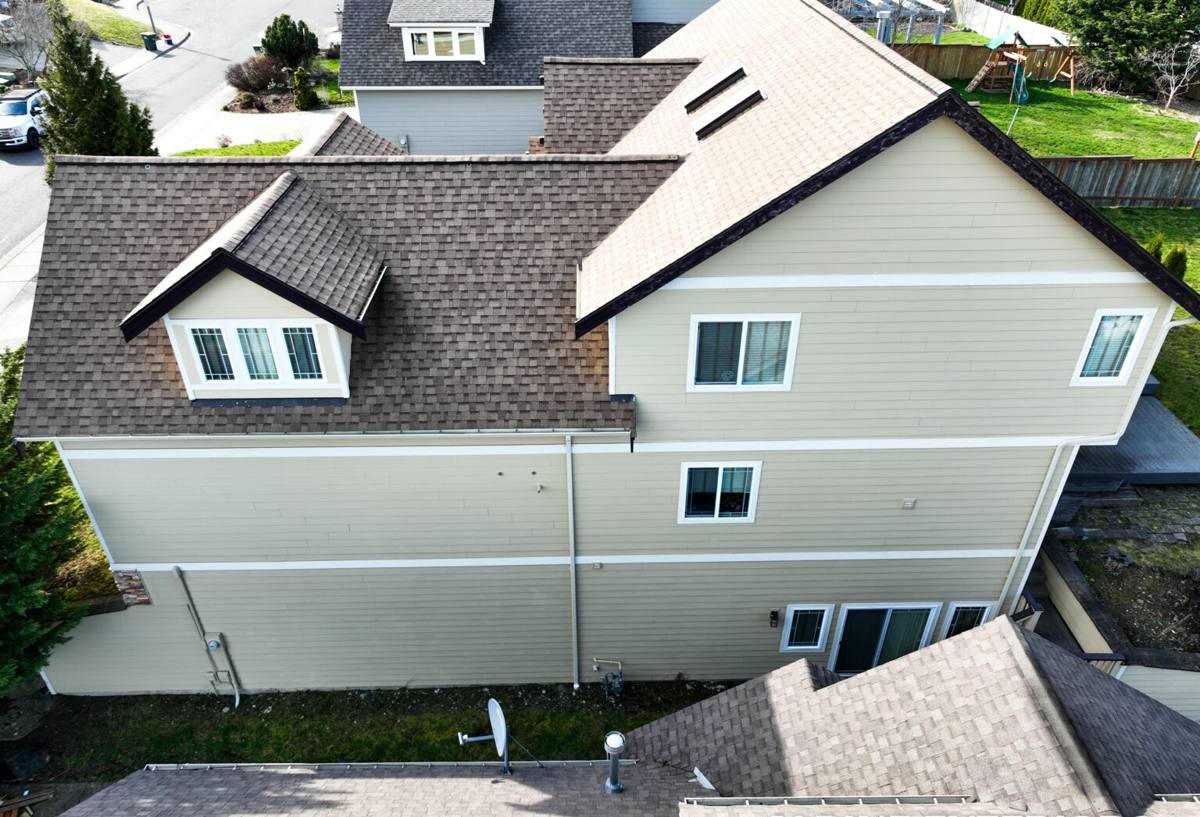
Columbia is one of Bellingham's older, established neighborhoods, with a mix of home ages and lot layouts — modest single-story houses, older two-stories, and homes that have been added onto over the decades. That mix matters for deck work in a few practical ways:
- Older homes often have rim joists, siding, and framing that weren't built with a future deck ledger attachment in mind — that connection point needs to be evaluated, not assumed.
- Mature trees common in the neighborhood mean more shade, more leaf and needle litter, and slower drying after rain — all of which accelerate moss and mildew growth on decking.
- Lot sizes and setbacks vary block to block, which affects how much deck footprint is realistic and whether a permit review will look closely at property lines.
- Many homes have existing decks or porches from earlier decades that are due for replacement rather than repair — and replacing gives us a chance to fix old structural shortcuts, not just refresh the surface.
A deck built for Columbia should account for the specific house it's attached to, not a generic model home. That starts with an honest look at the ledger connection, the grade around the foundation, and how water currently moves across the yard.
Choosing Decking Material for Salt Air and Long Wet Stretches
There's no single "best" decking material — there's a best material for this climate, this budget, and how much upkeep a homeowner actually wants to do. Here's how the common options hold up under Bellingham's marine-influenced weather:
| Material | How it handles moisture & salt air | Maintenance | Typical lifespan here |
|---|---|---|---|
| Pressure-treated pine/fir | Resists rot when properly sealed and maintained; needs consistent care to stay ahead of moss and checking | Annual cleaning, re-sealing every 1-2 years | 15-20 years with upkeep |
| Cedar | Naturally rot- and insect-resistant; still needs sealing to fight moss and graying from constant damp shade | Cleaning and oil/sealer every 1-2 years | 15-25 years with upkeep |
| Composite decking | Doesn't absorb moisture or rot; resists moss better than wood but can still grow surface film in deep shade | Periodic washing, no sealing or staining | 25-30+ years |
| PVC decking | Fully moisture-resistant, best option for constantly shaded or drip-line areas | Occasional washing | 25-30+ years |
We frame every deck the same way regardless of surface material, using pressure-treated structural lumber below the decking. The decking choice is really about how much sealing and cleaning a homeowner wants to commit to versus paying more upfront for a low-maintenance surface. In a shaded, damp lot — common in parts of Columbia with mature tree cover — composite or PVC earns its keep faster than in a sunnier, drier yard.
A Note on Fasteners and Hardware
Salt air corrodes standard galvanized fasteners faster than most homeowners expect. We use stainless steel or heavy-duty coated fasteners rated for ground contact and coastal exposure on every deck we build, along with corrosion-resistant joist hangers and structural connectors. It costs a little more upfront and saves the rust streaks, loosened boards, and premature hardware failure that cheaper fasteners produce within a few years this close to the bay.
Framing and Structure: Where Decks Actually Fail
Most deck failures aren't cosmetic — they start below the boards, in framing and connection points that were never built to shed water properly. The details that matter most:
The Ledger Board Connection
Where the deck attaches to the house is the single most important — and most commonly botched — connection on the whole structure. It needs proper flashing to keep water from tracking behind it and into the house's rim joist, correctly sized and spaced lag bolts or through-bolts, and a gap or flashing detail that keeps the ledger from trapping moisture against the siding. On older Columbia homes, we check the condition of the rim joist and siding before we ever drill into it.
Footings and Posts
Footings need to sit below frost depth and be sized for the actual load of the deck, not a minimum guess. Post bases should hold the post above the concrete and above standing water, not embed it directly — wood in constant ground contact is exactly the condition that leads to rot at the base, which is where we most often see failure on older, unpermitted decks in this area.
Joist Spacing and Board Direction
Tighter joist spacing than the minimum code allows gives boards more support and less flex over time, especially with composite decking, which can sag more than wood between joists if spacing is stretched to save material. Board direction and layout should also account for drainage — decking that runs toward the house rather than away from it just holds water against the structure longer.
Drainage and Moss: The Recurring Problem in This Climate
Moss doesn't grow on a deck because the wood is bad — it grows because the deck stays damp longer than it should. In Columbia's shadier yards, that can mean a deck surface that never fully dries out between fall and spring. A few structural choices reduce that:
- Grading and drainage beneath the deck so water moves away from footings and the house foundation instead of pooling underneath.
- Gapping between boards sized correctly for the material, so water and debris pass through instead of collecting in tight seams.
- Keeping the deck surface clear of overhanging branches where it's realistic to do so, since leaf litter holds moisture against the boards.
- Using a decking material and finish suited to the amount of shade the specific spot actually gets, rather than whatever was used elsewhere on the property.
No deck in this part of Whatcom County will be entirely moss-free without some homeowner upkeep — but a well-built one dries fast enough that moss stays manageable with an occasional wash rather than becoming a slip hazard.
Permits and Code in Bellingham
Most new decks and significant deck replacements in Bellingham require a building permit, and the requirements typically depend on the deck's height, size, and whether it's attached to the house. Permitted work gets inspected at key stages — footings, framing, and final — which is a real check on whether the structural details above were actually done correctly, not just claimed. We handle the permit process as part of the job rather than leaving it to the homeowner, and we build to pass inspection the first time, not to scrape by.
Skipping a required permit might save a little time upfront, but it creates real problems later — at resale, with insurance claims, or if the work has to be opened up and corrected down the line. We don't cut that corner.
How We Approach a Deck Project in Columbia
Every project starts with a look at the actual house and lot, not a standard template. Our process:
- On-site assessment — evaluating the ledger attachment point, grading, drainage, sun/shade exposure, and any existing deck or porch being replaced.
- Material and layout discussion — walking through decking options and layout tradeoffs honestly, including what each choice means for long-term maintenance.
- Permit handling — preparing and submitting the permit application and scheduling required inspections.
- Structural build — footings, framing, ledger flashing, and hardware done to code minimums or better, never to the minimum that just barely passes.
- Decking and finish work — installing the surface material with correct fastening and spacing for drainage and long-term movement.
- Final walkthrough — reviewing the finished deck and, if applicable, care and maintenance guidance specific to the material chosen.
Why a Crew That Already Works Columbia Matters
A contractor who's worked on homes throughout Bellingham and Whatcom County has already seen what happens to decking, fasteners, and framing left to sit through a normal Pacific Northwest wet season — not in theory, but on actual local jobs. That experience shows up in small decisions: which hardware holds up near the bay, how much slope a given spot's drainage really needs, and which materials are worth the extra upfront cost in a shaded, damp yard versus a sunnier one. It also means familiarity with the City of Bellingham's permitting process, so the job doesn't stall waiting on paperwork or fail an inspection over an avoidable detail.
A deck is a long-term structure attached directly to your home. Getting the framing, flashing, and material choices right the first time costs less than fixing rot or hardware failure a few years in — and it means the deck actually holds up to what this specific neighborhood's climate does to it.
Maintenance That Actually Extends a Deck's Life
Whatever material is chosen, a little seasonal attention goes a long way in this climate. Sweeping off leaf litter before wet weather sets in, keeping gutters and downspouts clear so runoff isn't dumping onto or near the deck, and washing off surface moss buildup before it gets a foothold all matter more here than in drier regions. Wood decking needs its sealer or stain checked annually; composite and PVC decking need far less, but still benefit from an occasional wash in shaded spots where organic buildup collects.
If you're planning a new deck or replacing an aging one in the Columbia neighborhood, we're happy to take a look and talk through what your specific lot and home actually need — no pressure, no generic pitch. Reach out for a free estimate using the form below.