 Bellingham
 Window Replacement Built for Sunnyland's Weather
Sunnyland is one of Bellingham's older, established neighborhoods, and that shows in the housing stock — a mix of mid-century homes and additions, mature trees on nearly every block, and a location close enough to Bellingham Bay that salt-tinged marine air reaches window frames and hardware year-round. Replacing windows here isn't the same job as replacing them out on the open prairie east of the Cascades. Whatcom County's coastal climate is harder on glass, frames, and seals, and a window that's a fine fit for a dry inland home can fail early in a shaded, damp Sunnyland yard.
This page covers what window replacement actually involves for homes in this part of Bellingham: what the climate does to windows over time, what a correct installation looks like, what it tends to cost, and why local experience matters more than it might seem.
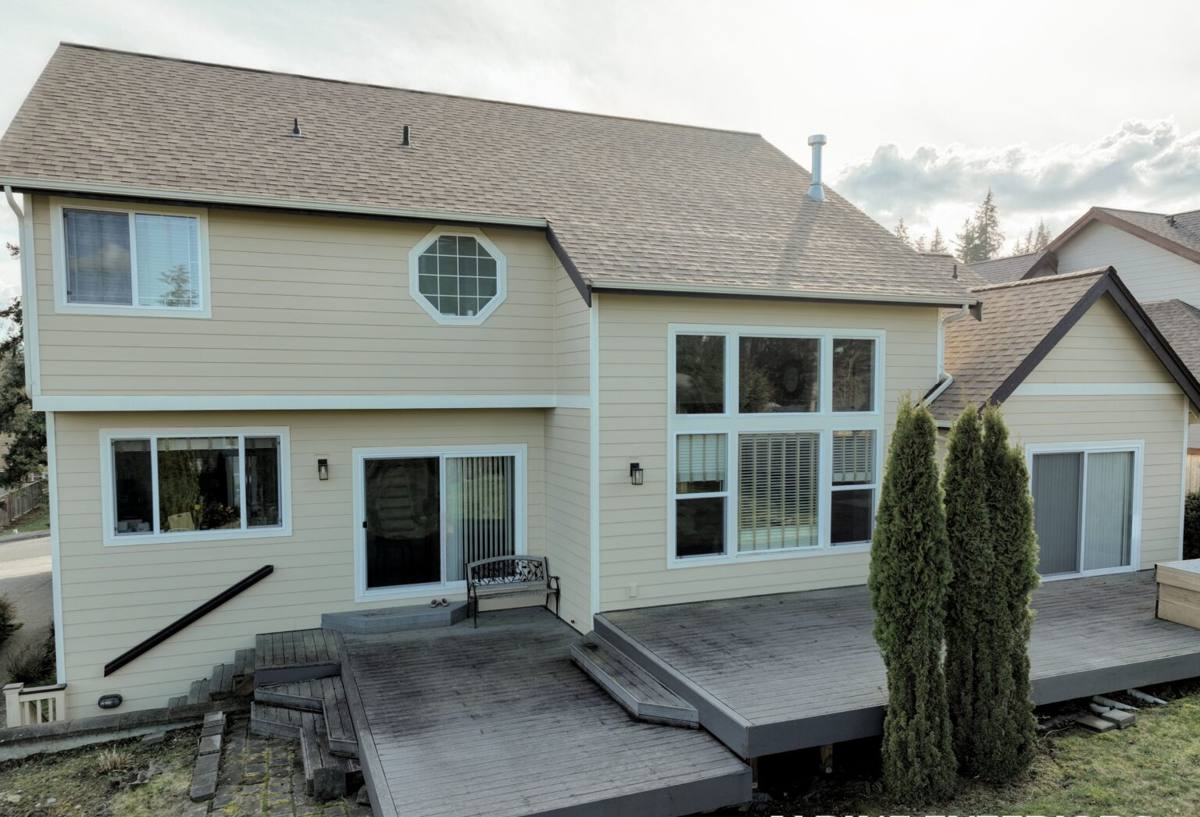
Why Sunnyland's Climate Is Hard on Windows
Salt Air
Bellingham Bay is close enough that salt-laden air is a real factor for homes in Sunnyland, especially on north- and west-facing walls that catch prevailing weather. Salt air accelerates corrosion in window hardware — hinges, locks, balance mechanisms, and screen frames — long before the glass or the frame itself shows problems. It also breaks down cheaper finishes on aluminum and lower-grade vinyl trim over time, leading to pitting and discoloration around the sash.
Driving Rain
Western Washington's rain rarely just falls straight down. Wind off the bay and through the Whatcom lowlands routinely drives rain sideways into wall assemblies, which puts real stress on window flashing, sealant joints, and sill design. A window that's watertight in a light, vertical rain can still leak in a wind-driven storm if the flashing details around it were never built to handle lateral water pressure.
Long Moss Season
Sunnyland's tree canopy is one of its best features and one of its bigger maintenance challenges. Shade keeps siding, trim, and window sills damp for longer stretches after every rain, and that dampness feeds moss and algae growth on wood trim, sills, and even vinyl cladding for much of the year. Moss holds moisture against wood surfaces, which is exactly the condition that leads to rot around sills and casings if a window's drainage details aren't doing their job.
Signs a Sunnyland Home Needs Window Replacement
Most window failure in this climate is gradual — it shows up as small annoyances long before it becomes a structural problem. Homeowners in this neighborhood should watch for:
- Soft, spongy, or discolored wood at the sill or bottom corners of the frame
- Persistent fogging or a visible haze between panes of double-glazed glass, which means the seal has failed
- Windows that are noticeably harder to open, close, or lock than they used to be
- Visible moss, algae, or dark streaking on the sill, trim, or exterior casing
- A cold draft near the frame on windy days, even with the window fully latched
- Paint that keeps peeling or bubbling on the interior or exterior trim despite repainting
- Noticeably higher heating bills in a home where the windows are original or decades old
Any one of these on its own might just need a repair. Several of them together, especially on the same window, usually mean the unit has reached the end of its useful life.
What a Correct Window Replacement Job Actually Involves
The window itself is only part of the job. In a climate that pushes this much water and moisture at a wall assembly, the details around the window matter as much as the product going into the opening.
Removing the Old Window Without Hidden Damage
Pulling the old window is also the first real inspection of the wall. This is where hidden rot in the framing, deteriorated sheathing, or old flashing that was never installed correctly gets found. A rushed removal papers over that damage; a proper one addresses it before the new window ever goes in.
Flashing and Sill Pan Details
Given how much wind-driven rain this area sees, flashing is not optional trim work — it's the difference between a window that stays dry for decades and one that quietly rots the wall around it. That means a sloped sill pan to direct any water that gets past the sash back outside, properly lapped flashing tape at the sides and head, and a drainage path that doesn't trap moisture behind the new unit.
Insulation and Air Sealing
The gap between the window frame and the rough opening needs to be sealed and insulated correctly — not overpacked with expanding foam, which can bow the frame, and not left loose enough to leak air. Done right, this step is a big part of why a well-installed replacement window feels noticeably less drafty than the one it replaced.
Choosing Materials and Glass for This Neighborhood
There's no single "best" window for every home, but some choices hold up better than others in a shaded, salt-exposed, high-moisture setting like Sunnyland.
| Material | How It Holds Up Locally | Maintenance |
|---|---|---|
| Vinyl (quality grade) | Won't rot or corrode; performs well against salt air and moisture | Low — occasional cleaning |
| Fiberglass | Very stable in temperature swings and damp conditions; strong long-term option | Low |
| Wood-clad | Attractive, but exterior cladding and interior wood need protection from prolonged moisture exposure | Higher — regular inspection and upkeep |
| Bare aluminum | Prone to corrosion and condensation in a marine climate | Moderate to high |
We don't push one brand or material on every homeowner. What we do insist on is hardware and finishes rated for coastal, marine-influenced climates, and a glass package suited to this region's cool, wet winters and mild summers — typically a double- or triple-pane unit with a Low-E coating and an inert gas fill between panes. That combination cuts down on condensation on the inside of the glass, which is a common complaint in older single-pane or early double-pane windows once outdoor humidity climbs.
What Drives the Cost of Window Replacement
Costs vary quite a bit from house to house, and anyone quoting a single flat number for "window replacement" without seeing the home is guessing. The broad range for a full window replacement project typically runs from a few hundred dollars per window for a straightforward vinyl insert up into the low thousands per window for larger, full-frame, or higher-end installations. The real number depends on several factors:
| Factor | Why It Matters |
|---|---|
| Full-frame vs. insert replacement | Full-frame replaces the entire unit including the frame and exposes the wall for repair; inserts fit into the existing frame and cost less but can't fix underlying rot |
| Window size and quantity | Larger openings and whole-house projects have different labor and material needs than a single small window |
| Existing wall condition | Hidden rot or old, incorrect flashing found during removal adds repair work before the new window can go in |
| Material and glass package | Vinyl, fiberglass, and wood-clad options, plus glass upgrades, all carry different price points |
| Trim and finish work | Matching existing interior and exterior trim, especially on older homes, adds time |
| Access and height | Second-story or hard-to-reach windows take longer and need more equipment |
Our Process, Start to Finish
We keep the process straightforward so homeowners know what to expect at every stage:
- On-site walkthrough of each window, checking frames, sills, and signs of moisture or air leakage
- Honest recommendation on repair versus replacement, and full-frame versus insert, based on what we actually find
- Written estimate with material options and no pressure to decide on the spot
- Careful removal of the old window with an inspection of the framing before anything new goes in
- Correct flashing, sill pan, and air-sealing detail work matched to this area's rain exposure
- Installation of the new window, interior and exterior trim, and final adjustment for smooth operation
- Walkthrough with the homeowner and cleanup before we leave
Why Hire a Crew That Already Works in Sunnyland
A window replacement crew that works regularly in this part of Bellingham already knows what to expect before they pull the first old window. They know which wall assemblies in older Whatcom County homes tend to hide moisture damage, how far salt air travels inland off the bay, and how much shade and moss buildup a given block typically deals with. That experience shows up in fewer surprises during the job, flashing details that are sized for real wind-driven rain rather than a generic install, and a finished window that's built to hold up through another wet Bellingham winter — not just look good on installation day.
It also matters for the practical side of the job: knowing which older Sunnyland homes are likely to have out-of-square openings, non-standard sizes, or trim profiles that need to be matched rather than replaced with something generic. A crew with local experience plans for that instead of discovering it mid-project.
Ready to Talk About Your Windows?
If you're dealing with drafty, foggy, or hard-to-operate windows in your Sunnyland home, we're happy to take a look and give you a straight answer on what's going on and what it would take to fix it. Use the form below to request a free, no-pressure estimate.