 Bellingham
 Roofing Around Sudden Valley Has Its Own Set of Problems
Sudden Valley sits in the trees along Lake Whatcom, and that setting is part of what makes it a great place to live — and part of what's hard on a roof. Heavy tree cover means shade, damp needles, and moss spores landing on shingles and shakes almost year-round. Add in Whatcom County's long stretch of overcast, drizzly months, occasional driving rain off wind events, and the salt-tinged marine air that reaches inland from the Sound, and you've got a roof that's working harder than one in a drier climate ever would. None of that means a roof up here is doomed to fail early. It means the repairs need to account for moisture, not just patch over it.
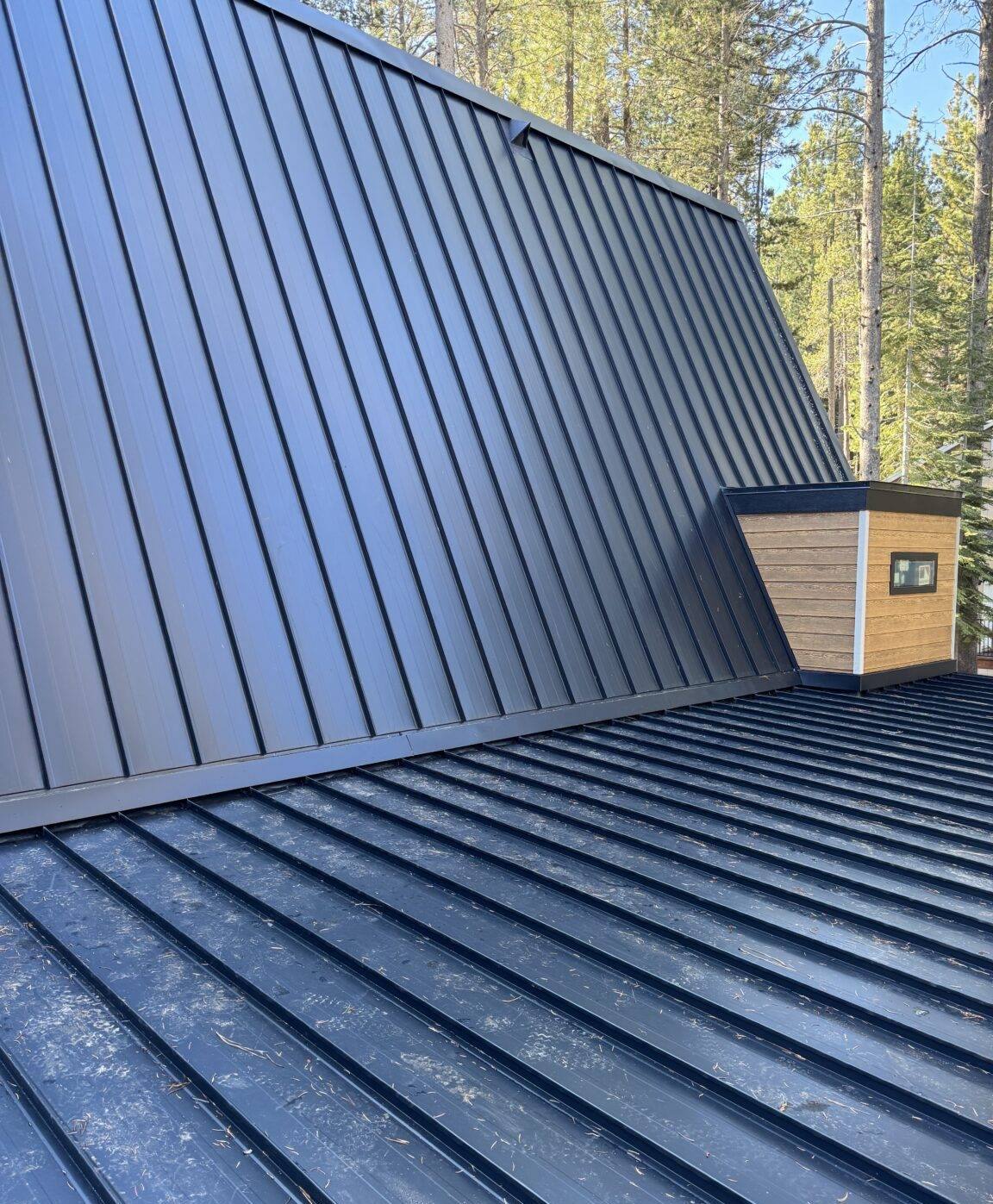
We work on roofs throughout Bellingham and Whatcom County, and Sudden Valley homes show a pretty consistent pattern of wear tied directly to the microclimate: shaded north-facing slopes hold moss and moisture long after the rest of the roof has dried out, valleys and low-slope sections collect debris that traps water against the roofing material, and metal flashing corrodes faster than it would in a drier, less salt-influenced part of the state. Understanding that pattern is what separates a repair that lasts from one that's back on our schedule in eighteen months.
The Repair Issues We See Most Often in Sudden Valley
Moss and Organic Growth
Moss isn't just cosmetic. Once it establishes on a shingle or shake, its root structure holds moisture against the roofing material around the clock, and that constant dampness breaks down granules, softens wood shakes, and accelerates rot at the deck level underneath. In a heavily treed community like Sudden Valley, moss growth is less a matter of "if" and more a matter of "how often" it needs to be addressed. A repair that removes moss without treating the underlying cause — usually inadequate airflow or persistent shade — just buys a year or two before it's back.
Flashing Failures
Flashing around chimneys, skylights, dormers, and roof-to-wall transitions is where the vast majority of active leaks start, not in the field of the roofing material itself. Salt-influenced marine air speeds up corrosion on lower-grade metal flashing, and repeated freeze-thaw swings and wind-driven rain work sealant joints loose over time. When a flashing detail fails, water doesn't always show up where the leak started — it can travel along the deck and show up as a stain on a ceiling several feet away, which is why diagnosis matters as much as the repair itself.
Wind-Driven Rain Intrusion
Storms coming off the water can drive rain sideways, which pushes water uphill under shingle laps, past standard flashing overlaps, and into gaps that would never leak in a straight-down rain. Roofs with a repair history of "surface only" patch jobs are the ones most likely to develop this kind of intrusion, because it targets exactly the joints and laps a rushed repair skips.
Gutter and Roof-Edge Deterioration
Falling needles and leaf debris from the surrounding tree cover clog gutters faster here than in more open parts of Bellingham. When gutters back up, water sits against the fascia and the lowest course of roofing, which rots wood trim and undermines the drip edge — a slow, easy-to-miss failure that eventually needs more than a gutter cleaning to fix.
Repair or Replace? How We Make That Call
Not every roof problem in Sudden Valley needs a full replacement, and we don't default to recommending one. Here's roughly how we weigh it during an inspection:
| Sign | Usually Repairable | Usually Points to Replacement |
|---|---|---|
| Moss coverage | Isolated patches, shakes/shingles still intact underneath | Widespread coverage with soft or rotted material beneath |
| Flashing condition | Localized corrosion or failed sealant at one or two details | Multiple flashing points failing across the roof |
| Leak history | Single, traceable leak source | Recurring leaks in different spots each season |
| Roofing material age | Under 60-70% of expected lifespan | Near or past expected lifespan with visible granule loss or curling |
| Deck condition | Solid, no soft spots when walked | Soft, spongy, or delaminating decking |
When a roof falls in the middle of that table, we'll say so honestly and lay out both options with real numbers, rather than pushing toward whichever job is bigger.
What a Correct Roof Repair Actually Involves
A repair that holds up in this climate isn't just swapping a few shingles or caulking a gap. It generally includes:
- Tracing the leak or damage back to its actual source, not just the spot where water is showing up inside
- Removing moss and organic buildup down to a clean roofing surface, not just knocking off the visible growth
- Inspecting and, where needed, replacing the underlayment beneath the repair area — a leak that's reached this layer means the surface material alone won't fix it
- Rebuilding flashing details with corrosion-resistant metal and proper overlap, not just re-sealing the old flashing in place
- Checking the deck for soft or rotted wood and replacing any compromised sections before new material goes down
- Matching replacement shingles, shakes, or panels as closely as possible to the existing roof in profile and color
- Confirming drainage — gutters, valleys, and roof edges — is clear and functioning before calling the job done
Skip any of these steps and you've got a repair that looks finished from the ground but hasn't actually solved the problem.
Our Process, Start to Finish
We keep this straightforward because most homeowners just want to know what's wrong and what it'll take to fix it.
- Inspection. We get on the roof (not just a look from the ground) and check both the surface and, where accessible, the attic or deck for water tracking.
- Written estimate. You get a clear scope of work and price before anything starts — no surprise add-ons once we're up there.
- Repair. We do the work to the standard described above, using materials suited to Whatcom County's moisture and salt-air exposure.
- Cleanup and walk-through. We clear debris from gutters and the ground, then walk you through what was done and what to watch for going forward.
Materials and Methods Suited to This Climate
For flashing and edge metal, we favor corrosion-resistant materials over standard galvanized where budget allows — the marginal upfront cost is small compared to redoing corroded flashing in a few years. For underlayment, we use synthetic or self-adhering membrane in valleys and other high-exposure areas rather than the bare minimum, since those spots see the most standing water during heavy rain. Where moss is a recurring problem, we'll talk through low-toxicity treatment options and simple airflow or trim adjustments that reduce how fast it comes back — we won't sell you a one-time moss removal and pretend that solves a shade and moisture problem that isn't going anywhere.
Why It Matters That We Already Work in Sudden Valley
A roofing crew that's worked in Sudden Valley before knows the terrain: the tree cover that shades certain roof sections year-round, the gated access and any scheduling that comes with it, and the driveway and staging realities of a wooded, hilly neighborhood. That familiarity means less time figuring out logistics and more time on the actual repair. It also means we've seen how roofs in this specific pocket of Whatcom County age — which flashing details fail first, which slopes hold moss longest, which materials have actually held up to the marine air and rain patterns here versus elsewhere in Bellingham. That's not something you get from a crew doing a one-off job in the area.
Simple Maintenance That Extends a Repair's Life
Once a repair is done right, a little upkeep keeps it that way. Between our visits, or between any professional inspection, homeowners can reasonably handle:
- Clearing gutters and downspouts at least twice a year, more often if surrounded by heavy tree cover
- Trimming back branches that overhang the roof to cut down on shade, debris, and moss-friendly conditions
- Doing a visual check from the ground after major windstorms for lifted shingles, displaced flashing, or debris buildup
- Watching for interior stains on ceilings or in the attic after heavy rain, which often show up before a leak is visible from outside
- Scheduling a professional inspection every year or two, even without an obvious problem, since moss and flashing issues are easier to catch early than after they've caused deck damage
Get an Honest Look at Your Roof
If you're dealing with a leak, moss buildup, or just want an honest read on where your roof stands before the next round of Whatcom County rain, we're glad to come take a look. The estimate is free, there's no pressure to book anything on the spot, and you'll get a straight answer about whether you're looking at a repair or something bigger. Use the form below to get started.