 Bellingham
 Windows Built for Silver Beach's Weather, Not Just the Opening
Silver Beach homes sit in one of Bellingham's more tree-covered, water-influenced pockets of Whatcom County, and that setting is hard on windows in ways a lot of homeowners don't notice until a frame starts to fail. Salt-laden air moving in off the water corrodes hardware and fasteners faster than it does further inland. Driving rain, pushed sideways by wind off the water, tests every seal and flashing detail a window has. And the long, damp moss season that defines a Pacific Northwest winter keeps wood trim, sills, and cladding wet for weeks at a stretch, which is exactly the condition mold, rot, and moss growth need to take hold.
None of that means Silver Beach needs exotic materials or a complicated window. It means the basics — material selection, flashing, sealant, and installation sequence — have to be done right every single time, because this climate doesn't forgive shortcuts the way a drier region might.
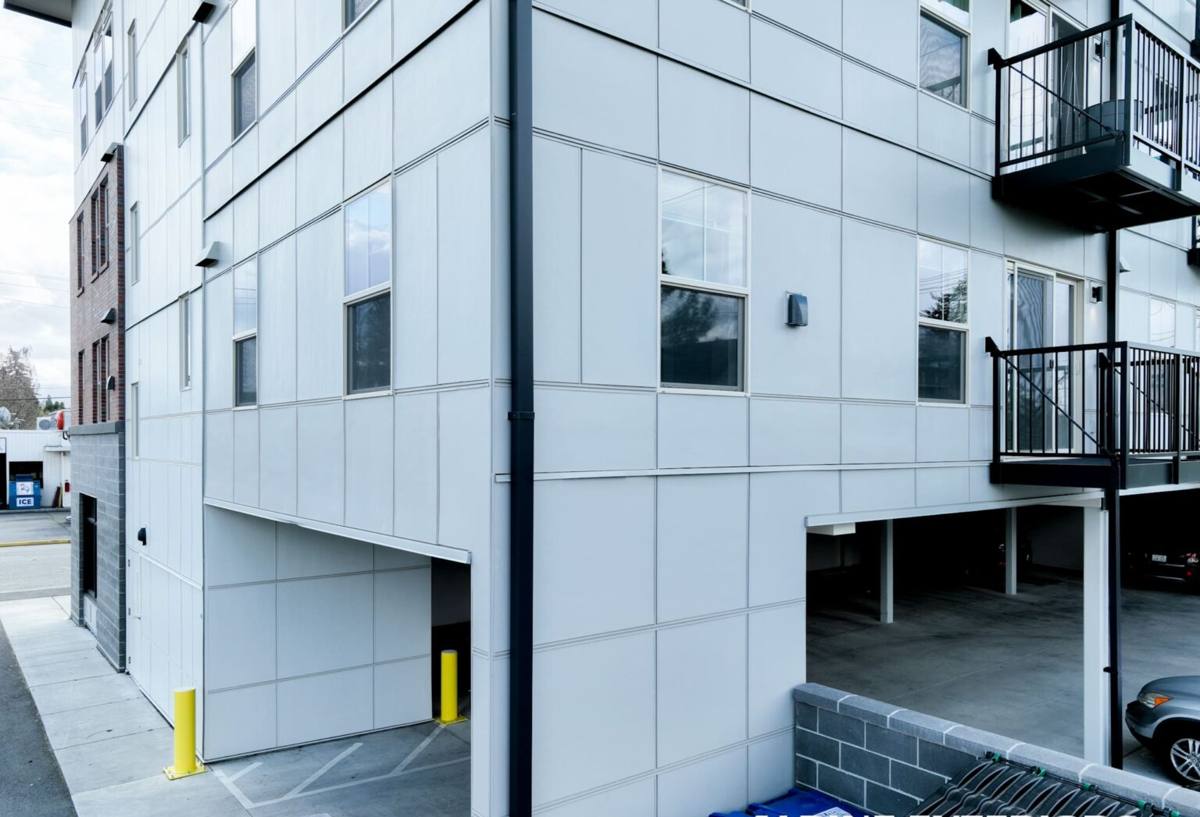
What Silver Beach's Climate Actually Does to a Window Over Time
Salt Air and Hardware
Locks, hinges, balances, and screws are usually the first things to show wear in a coastal-influenced climate. Cheap or mismatched hardware pits and corrodes years before the glass or frame shows any problem, which is why we pay attention to hardware grade, not just the window brand on the label.
Driving Rain and Wind-Driven Moisture
A window doesn't leak because the glass fails — it leaks because water finds a gap in the flashing, the sill pan, or the sealant joint and driving rain pushes it through. Whatcom County's wind-driven storms put real pressure on these details, especially on walls that face open exposure toward the water.
Moss Season and Sustained Dampness
Our moss season isn't a few wet weeks — it's months of low sun, high humidity, and surfaces that rarely fully dry out. Wood sills and trim that aren't detailed and finished correctly stay damp long enough to start rotting from the inside, often before it's visible from outside.
What a Correct Custom Window Installation Involves
"Custom" windows means the unit is built to the exact opening and style of the home rather than pulled from a stock size — common in Silver Beach's mix of older post-war homes and newer builds with non-standard openings. But the window itself is only part of the job. The installation sequence is what actually determines whether the window performs in this climate for the next 20-plus years.
- Remove the old window and inspect the rough opening for hidden rot, soft framing, or prior water damage before anything new goes in
- Repair or rebuild any compromised framing — never install a new window over a damaged opening
- Install a proper sill pan flashing to direct any water that gets past the window back outside, not into the wall
- Set the window level, plumb, and square, shimmed correctly so it isn't relying on fasteners to hold its shape
- Flash the head, jambs, and sill with a correctly lapped sequence — water has to shed downward and outward at every layer
- Seal with the right sealant for the substrate, not just whatever tube is on the truck
- Insulate the gap between the frame and rough opening without overpacking, which can bow the frame
- Finish interior and exterior trim so end grain and joints aren't left exposed to moisture
Skip or rush any one of these steps and the window may look fine for a year or two before a leak, a soft sill, or a fogged pane shows up.
Choosing a Window Type and Material for This Location
There's no single "best" window for every home in Silver Beach — the right choice depends on exposure, the home's age and style, and how much upkeep the homeowner wants to take on. Here's how the common options compare for this specific climate:
| Material | How It Handles Salt Air & Rain | Moss/Moisture Season | Upkeep |
|---|---|---|---|
| Vinyl | Won't corrode or rust; good baseline performance | Doesn't rot; low risk | Low — occasional cleaning |
| Fiberglass | Very stable, resists warping under wind and moisture cycling | Doesn't rot; handles sustained dampness well | Low |
| Aluminum-clad wood | Cladding protects the exterior face; hardware quality matters | Interior wood needs sealed joints and good detailing | Moderate |
| All-wood | Handsome but demands consistent maintenance in this exposure | Highest risk of rot if finish isn't kept up | High — regular refinishing |
For homes with real water and wind exposure, we generally steer people toward vinyl, fiberglass, or a well-clad composite over bare wood exteriors — not because wood is a bad product, but because an all-wood exterior in a long, wet moss season puts the maintenance burden entirely on the homeowner. If the look of true wood matters for a historic or architecturally specific home, we'll talk through what that upkeep commitment actually looks like so there are no surprises later.
Our Process, Start to Finish
- On-site assessment — we look at the actual openings, existing framing condition, and exposure of each wall, not just count windows off a list
- Product recommendation — matched to that specific opening's exposure, the home's style, and your budget
- Written estimate — clear on scope, product, and what's included, before any work starts
- Removal and opening inspection — this is where hidden rot or past water damage gets caught and addressed, not covered up
- Installation and flashing — following the sequence above, every window, every time
- Interior and exterior finish work — trim, caulking, and paint or stain matched to the home
- Final walkthrough — every window operated, checked, and reviewed with you before we call it done
Problems We Commonly Find on Older Windows in This Area
When we're called out to replace windows on Silver Beach homes, a handful of issues show up repeatedly, and they're almost always tied to the local climate rather than a defective product:
- Soft or spongy sills from years of driving rain finding its way past aging caulk
- Corroded locks and balances that make windows hard to open or fully latch
- Moss and algae staining on north- and shaded-side trim that signals sustained dampness, not just a cosmetic issue
- Fogged double-pane glass from a failed seal, letting moisture into the airspace between panes
- Gaps in old flashing or caulk-only "flashing" that was never adequate in the first place
Any of these is worth a look even if you're not ready to replace every window in the house — sometimes it's one or two problem openings, not a whole-house job.
What Custom Windows Cost, and What Actually Drives That Number
We don't publish flat prices because the honest answer depends on the opening, the product line, and the condition of what's being removed. But the main cost factors are consistent from job to job:
| Factor | Why It Matters |
|---|---|
| Window size and shape | Custom or non-standard openings cost more than stock sizes |
| Material (vinyl, fiberglass, wood-clad) | Material and glass package are the largest line item in most quotes |
| Framing condition | Rot repair found during removal adds labor and material not visible at the estimate stage |
| Number of windows | Whole-house projects typically bring a better per-window rate than one-off replacements |
| Trim and finish work | Matching existing interior trim or exterior detail adds time |
As a broad range, expect standard-size vinyl or fiberglass replacement windows to run in the low-to-mid hundreds of dollars per window installed, with custom shapes, larger openings, or wood-clad options running higher. We'll give you real numbers for your home during the estimate, not a guess off a size chart.
A Practical Checklist Before You Hire Anyone
- Do they inspect the rough opening, or just measure and order?
- Will they show you the flashing and sealing method before it's covered by trim?
- Do they carry liability insurance and, where required, a Washington contractor license?
- Is the estimate itemized, or a single vague number?
- Do they have experience with homes in this specific area and its exposure conditions?
- What's the warranty on the product versus the installation labor — and who do you call if a problem shows up in three years?
Why Local Experience in Silver Beach Matters
A crew that regularly works this part of Bellingham already knows which walls take the worst of the wind-driven rain, how long the moss season really keeps trim wet, and which hardware holds up against salt air versus which corrodes early. That's not something you learn from a spec sheet — it's learned from doing the work here, on homes with the same exposure yours has. It also means faster response if a warranty question or a storm-related issue comes up down the road, instead of waiting on a crew that has to drive in from out of the area.
Keeping Your Windows Performing After Installation
A correctly installed window in this climate still benefits from basic upkeep: rinsing salt residue off exterior surfaces and hardware periodically, keeping gutters and nearby drainage clear so water isn't sitting against the wall below a window, and checking caulk lines once a year for cracking or separation. Catching a small sealant gap early is a five-minute fix — left through a full moss season, it can turn into a sill repair.
If you're dealing with a drafty, foggy, or hard-to-operate window in Silver Beach, or planning ahead for a full window upgrade, we're glad to take a look and give you a straightforward, no-pressure estimate — just fill out the form below.