 Bellingham
 Siding Replacement Built for Fairhaven's Coastal Exposure
Fairhaven sits close to the water, and that proximity shapes everything about how siding ages here. Homes in this part of Bellingham take on a combination most inland neighborhoods never deal with at the same intensity: salt-laden air drifting off Bellingham Bay, wind-driven rain that hits siding at an angle instead of falling straight down, and a moss and algae season that can stretch for most of the year in the Pacific Northwest's wet, mild climate. Any one of these factors will wear down siding over time. Together, they punish weak materials fast and expose sloppy installation even faster.
This page is about one job done right in one place: replacing siding on Fairhaven homes with a product and process built to actually hold up to what this neighborhood throws at it.
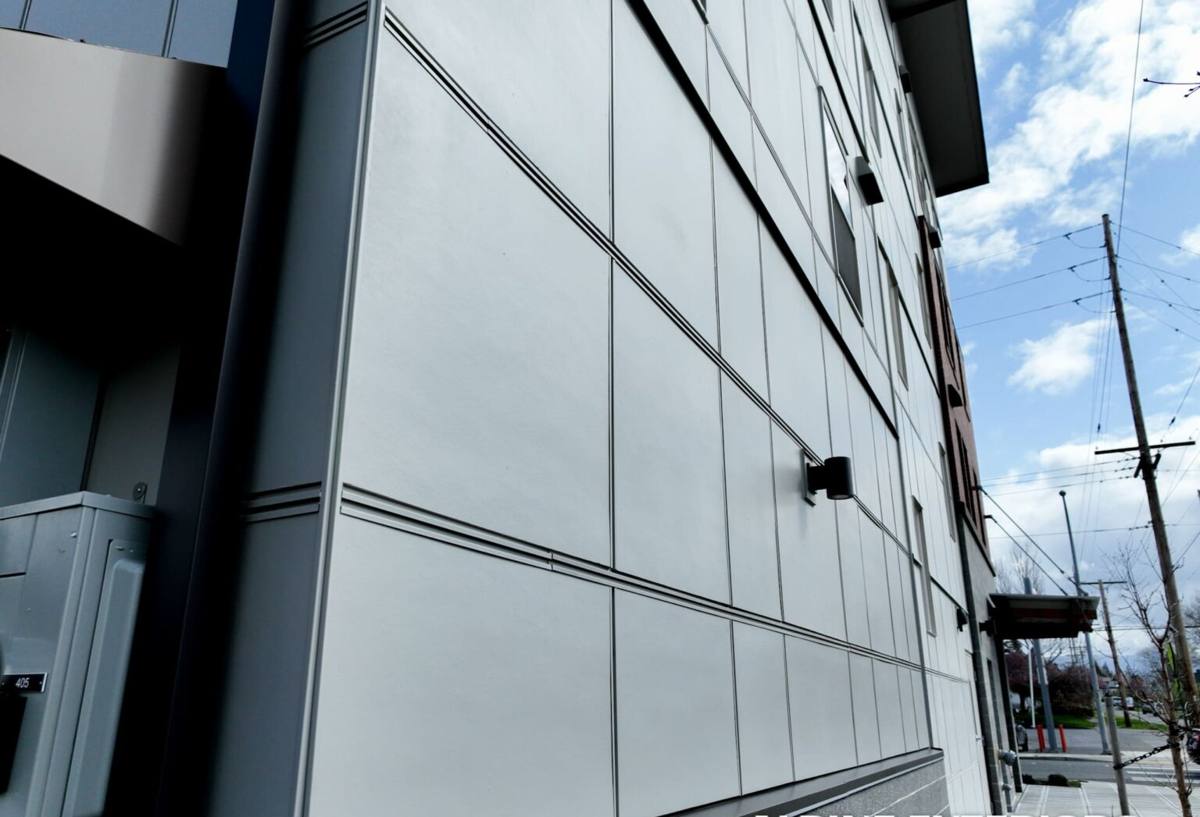
What Salt Air, Rain, and Moss Actually Do to Siding
Salt Air
Airborne salt is corrosive and hygroscopic — it draws moisture to whatever surface it settles on. On siding, that means fasteners, trim edges, and any exposed wood or wood-based product face accelerated corrosion and moisture uptake. Paint and factory finishes break down faster under a steady salt load, and metal flashing or fasteners without adequate corrosion resistance will show rust years before they would in a drier, inland location.
Driving Rain
Bellingham gets a lot of rain, but it's the wind-driven rain off the water that matters most for siding performance in Fairhaven. Horizontal rain finds every gap in flashing, every under-caulked seam, and every panel that wasn't lapped correctly. Siding that's merely "water-resistant" on a calm day can still let moisture behind the wall when rain is being pushed sideways into it.
Moss and Algae Season
Cool, damp, shaded conditions are exactly what moss and algae need to thrive, and much of Fairhaven's tree cover and marine-layer humidity provide that for a good chunk of the year. Moss holds moisture directly against the siding surface, which is a slow but steady path to rot in wood-based products and to finish degradation in almost anything. North-facing walls and areas under tree canopy are usually hit hardest.
Why We Only Install James Hardie Fiber Cement
Given what Fairhaven siding is up against, we made a standing decision: every replacement job we do uses James Hardie fiber cement, engineered for this climate zone. We don't install vinyl, LP SmartSide, primed spruce, cedar, or other fiber cement brands. That's not a marketing position — it's a practical one, based on how those materials actually perform under sustained salt exposure, driving rain, and moss pressure.
- Non-combustible: fiber cement doesn't feed a fire the way wood-based sidings can, which matters as wildfire smoke and dry-season risk have become more common even in typically wet Western Washington.
- Moisture-stable core: Hardie's fiber cement doesn't swell, delaminate, or rot the way wood-based composite siding can when it stays damp for extended periods — a real concern under Fairhaven's moss and shade conditions.
- Factory-applied ColorPlus finish: baked-on, not job-site sprayed, so the finish resists fading and holds up better against the UV and salt combination than field-applied paint.
- HZ5 climate engineering: Hardie's HZ product lines are formulated for specific climate zones, including the wet Pacific Northwest, rather than a one-size-fits-all formula.
- Strong transferable warranty: backed by decades of real-world performance data, not just a promising spec sheet.
We're honest about the trade-offs elsewhere on our site when it comes to vinyl, LP SmartSide, and other products — every siding material has a reasonable use case somewhere. Our position is that for Fairhaven's specific combination of salt exposure, driving rain, and prolonged dampness, fiber cement engineered for this climate is the material that holds up with the least ongoing maintenance and the least risk of hidden moisture damage.
What a Correct Siding Replacement Involves Here
Replacing siding isn't just pulling off old panels and nailing up new ones. In a coastal, high-moisture neighborhood like Fairhaven, the work that happens before and behind the new siding matters as much as the siding itself.
Tear-Off and Sheathing Inspection
Once the old siding comes off, we inspect the sheathing underneath for water damage, soft spots, or rot — problems that are common on homes that have dealt with years of driving rain and moss cover, especially if the old siding or flashing had failed quietly behind the wall. Any compromised sheathing gets addressed before anything new goes up; installing new siding over damaged sheathing just hides a problem that will resurface.
Weather-Resistive Barrier and Flashing
A correctly installed weather-resistive barrier (house wrap) and properly integrated flashing at windows, doors, and penetrations is what actually keeps wind-driven rain out of the wall assembly. This is the layer most homeowners never see and most corner-cutting installers rush — and it's the layer that determines whether driving rain stays outside the wall or works its way in over the next decade.
Correct Fastening and Clearances
James Hardie specifies fastener types, spacing, and clearances for a reason — get them wrong and you invite the exact corrosion and moisture problems fiber cement is otherwise resistant to. That includes maintaining proper ground clearance and gaps at trim, which matters in a neighborhood where damp ground-level conditions and moss growth are common.
Caulking and Sealant Details
Every seam, joint, and penetration needs the right sealant applied correctly. In a marine climate, sealant failure is one of the more common paths for moisture intrusion, so we don't treat this step as an afterthought.
Our Process for Fairhaven Homes
- On-site assessment: we walk the property, check current siding condition, look for signs of existing moisture or moss damage, and note any site-specific factors like tree cover or wind exposure.
- Material and color selection: we help homeowners choose the right Hardie profile and ColorPlus color for their home, factoring in how the home is oriented relative to sun, wind, and rain exposure.
- Written estimate: a clear scope of work and cost breakdown before anything is scheduled.
- Tear-off and inspection: old siding removed, sheathing inspected and repaired as needed.
- Weather barrier and flashing installation: the unseen layer that does most of the real work keeping water out.
- Hardie installation to manufacturer spec: correct fastening, clearances, and joint treatment throughout.
- Final walkthrough: we review the finished job with the homeowner before calling it done.
Why Hiring a Crew That Already Works Fairhaven Matters
Siding installation isn't identical everywhere, and a crew that mostly works drier, inland areas may not instinctively account for what a coastal Bellingham neighborhood needs. A crew with Fairhaven experience already knows to pay closer attention to flashing details on wind-exposed elevations, to expect moss and shade issues on north-facing walls, and to factor salt exposure into fastener and trim choices without being told. That local pattern recognition shows up in fewer callbacks and a longer-lasting installation.
Cost Factors for Fairhaven Siding Replacement
Every home is different, but the factors that typically move the price on a Fairhaven siding replacement are consistent. This table is meant to help homeowners understand what drives cost, not to quote a specific number — final pricing depends on your home's size, condition, and design.
| Factor | Why It Matters |
|---|---|
| Sheathing condition | Rot or moisture damage found during tear-off adds repair scope before new siding can go up |
| Home size and wall complexity | More corners, windows, and trim detail means more labor and material cutting |
| Siding profile chosen | Lap, shingle, and panel styles vary in material and installation time |
| Current siding type | Some tear-offs are more labor-intensive than others depending on what's being removed |
| Site access | Tree cover, slope, or tight lot lines can affect staging and labor time |
| Trim and accessory work | Fascia, soffit, or trim replacement alongside siding adds to scope |
Signs Your Fairhaven Home May Need Siding Replacement
- Visible cracking, warping, or delamination in existing siding
- Soft or spongy spots when you press on siding, especially near the base of walls
- Persistent moss or algae growth that returns quickly after cleaning
- Paint that's peeling or bubbling rather than just fading
- Rust streaks around fasteners or trim
- Rising energy bills that may point to a failing wall assembly behind the siding
- Visible gaps, warping, or separation at seams and corners
Get a Free, No-Pressure Estimate
If you're noticing any of the signs above, or you just want an honest read on how your current siding is holding up against Fairhaven's salt air, rain, and moss, we're happy to take a look. The estimate is free, there's no pressure to move forward, and you'll get a straight answer about what your home actually needs. Use the form below to get started.