 Bellingham
 Deck Building in Barkley: Built for Whatcom County Weather
Barkley homeowners ask us for a lot of the same things: more usable outdoor space, a deck that doesn't turn green and slick every winter, and something that won't need major rework in five years. That's a reasonable list, and it's achievable, but only if the deck is built with this specific climate in mind from the ground up. Bellingham sits close enough to the water and gets enough sustained wet weather that a deck built the way you'd build one in a dry inland climate will fail here faster than it should.
This page covers what we actually do when we build a deck in Barkley: the material choices that hold up, the structural details that keep moisture from becoming rot, and how our process works from first call to final walkthrough.
What Barkley's Climate Does to a Deck
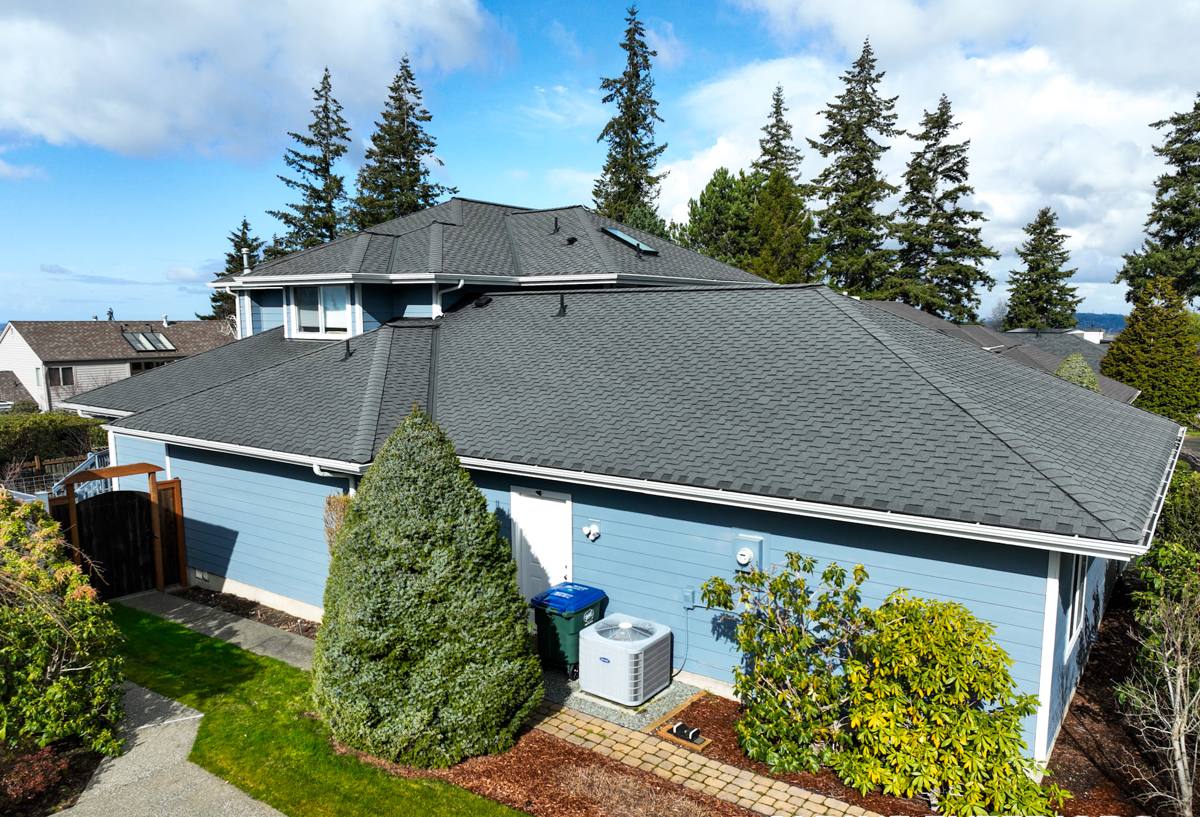
Whatcom County's marine climate means long stretches of low-intensity rain, high ambient humidity, and shaded, damp conditions for much of the year — especially on lots with mature trees or north-facing yards, which are common in and around Barkley. A few things follow from that:
- Moss and algae growth is close to a year-round condition on any deck surface that doesn't get regular sun and airflow, and it makes boards slippery and holds moisture against the wood or composite surface.
- Driving rain — wind-blown rain that hits siding and deck ledger connections at an angle rather than straight down — pushes water into joints and fastener points that a calmer climate wouldn't stress nearly as hard.
- Salt-tinged air off the Sound accelerates corrosion on hardware, fasteners, and any exposed metal connectors that aren't rated for it.
- Freeze-thaw cycles, while milder here than inland, still happen enough in winter to work water trapped in end grain or poorly sealed joints, opening up cracks over a few seasons.
None of this makes deck building in Barkley harder than anywhere else — it just changes which details actually matter. A deck built here needs to shed water aggressively, resist moss colonization, and use hardware that won't corrode out from under it.
The Ledger Board and Structural Connection
The single most important part of any attached deck — and the place we see the worst shortcuts from rushed work — is the ledger board connection to the house. This is where the deck ties into your home's framing, and it's also the spot most exposed to wind-driven rain running down the siding.
What a correct ledger installation includes
- Proper flashing that directs water away from the ledger-to-wall joint, installed in the correct shingle-lap order with the house's existing water-resistive barrier or siding.
- A gap or drainage plane behind the ledger so water that does get behind the board can escape instead of sitting against the house sheathing.
- Corrosion-resistant structural screws or through-bolts rated for treated lumber contact — not general-purpose deck screws — since treated lumber chemicals accelerate corrosion in the wrong fastener type.
- Correct fastener spacing and lag/bolt sizing per code, not "close enough."
A poorly flashed ledger board is one of the most common causes of hidden rot in this region — the deck itself can look fine for years while water quietly damages the rim joist and wall framing behind it. We treat this connection as the non-negotiable part of the build, even on smaller decks.
Choosing Decking Material for a Barkley Yard
There's no single "best" decking material — the right choice depends on how much sun and airflow the site gets, how much maintenance you want to do, and budget. Here's how the common options actually perform in this climate.
| Material | Moss/Moisture Behavior | Maintenance | Typical Lifespan Here |
|---|---|---|---|
| Pressure-treated wood | Absorbs moisture readily; needs airflow and periodic sealing to resist moss | Annual cleaning, re-staining every 2-3 years | 15-20 years with upkeep |
| Cedar | Naturally rot-resistant but still needs sealing in shaded, damp spots | Regular cleaning, re-sealing every 2-3 years | 20-25 years with upkeep |
| Composite decking | Doesn't absorb water like wood, but surface film can still support moss/algae if shaded | Periodic washing, no staining or sealing | 25-30+ years, manufacturer-dependent |
| PVC/capped composite | Sheds water well, low organic material for moss to grip | Occasional washing | 25-30+ years, manufacturer-dependent |
Shaded, tree-covered lots — which describes a fair number of yards in and around Barkley — push us toward composite or capped composite more often, simply because it holds up better without constant maintenance in low-sun conditions. But a well-built wood deck with a realistic maintenance schedule is still a solid, honest choice, especially for homeowners who don't mind the upkeep or prefer the look and cost of real lumber.
Framing and Substructure Details That Matter
What's under the decking surface matters as much as the surface itself, and it's the part most homeowners never see once the project is done.
Joists and beams
We use lumber rated for ground or moisture contact where it's called for, and we cap exposed joist tops with flashing tape so end grain and fastener penetrations aren't sitting open to rain. Uncapped joist tops are one of the quietest ways a deck starts rotting from the inside out.
Post bases and footings
Posts get set on proper post base hardware that holds the wood up off the concrete, rather than embedded directly in it — direct wood-to-concrete contact traps moisture against the post and is a common cause of base rot on older decks in this area. Footing depth follows local frost and load requirements, not a guess.
Hardware
Every structural connector — joist hangers, post caps, screws, bolts — needs to be rated for both treated lumber and exterior/coastal exposure. This is a small line-item cost difference and a large long-term difference in how the deck ages.
Drainage, Slope, and Airflow — The Anti-Moss Details
Since moss and algae growth is the number one complaint we hear about older decks in this climate, we build in a few specific things to slow it down:
- Slight slope away from the house on the decking surface so water runs off instead of pooling.
- Consistent board gapping so water drains through rather than sitting on the surface — undersized or inconsistent gaps are a common cause of standing water and premature moss growth.
- Under-deck airflow where the design allows it, since stagnant, shaded air underneath a low deck is exactly where moss and mildew take hold fastest.
- Material selection matched to sun exposure — a heavily shaded deck under trees is a different job than one that gets full afternoon sun, and we'll say so plainly during the estimate rather than sell the same spec to every yard.
None of this eliminates the need for periodic cleaning — nothing built outdoors in Whatcom County is maintenance-free — but a correctly built deck needs a lot less scrubbing and lasts a lot longer between deep cleans.
Our Process for a Barkley Deck Build
- On-site assessment. We look at sun exposure, drainage, existing ledger/wall condition, and how the deck will actually be used before recommending a material or layout.
- Design and material selection. We walk through the real tradeoffs — wood versus composite, footprint, railing style — with honest cost and maintenance expectations, not just the upsell option.
- Permitting. Most attached decks in the City of Bellingham and unincorporated Whatcom County require a permit; we handle that process so the structure is inspected and legal, which also matters for resale and insurance.
- Demo and structural build. Footings, framing, ledger flashing, and post bases go in first, built to hold up to the moisture conditions covered above.
- Decking, railing, and finish work. Surface material goes down with correct gapping and fastening, followed by railings, stairs, and any trim.
- Final walkthrough. We go over the finished deck with you, including what maintenance schedule actually fits the material you chose.
What to Expect on Cost
Deck pricing depends heavily on size, material, height off the ground, railing style, and site access — a walk-out deck at grade is a very different job from a second-story deck needing stairs and guardrails. Rather than quote a number that won't mean much without seeing your yard, we give firm pricing after the on-site assessment. Broadly speaking, pressure-treated builds sit at the lower end of the range, cedar in the middle, and composite/PVC systems at the higher end up front — though composite often costs less over 10-15 years once you factor in staining and repairs avoided.
Signs an Existing Barkley Deck Needs Attention
If you already have a deck and are wondering whether it needs repair, rebuilding, or just cleaning, a few warning signs are worth checking before problems get worse:
- Soft or spongy spots in the decking, especially near the house or at board ends
- Visible gaps, rust streaks, or corrosion around ledger board fasteners
- Persistent moss or algae that comes back within weeks of cleaning
- Wobble or movement at railing posts or stair stringers
- Water pooling on the surface instead of draining through
- Gaps or separation where the ledger board meets the house siding
Any of these can usually be inspected and diagnosed in a single visit, and it's worth catching them before a soft spot becomes a structural repair.
Why Local Deck Building Experience Matters in Barkley
A deck built to a generic national spec sheet will meet code, but "meets code" and "built for this climate" aren't the same thing. Crews who work Whatcom County regularly know which yards need extra drainage attention, which fastener grades actually hold up against the salt air off the Sound, and how much shade a given lot gets through the wet months — because they've seen the decks that were built without that knowledge fail early. That local pattern recognition is what keeps a deck looking and functioning well past year ten instead of needing repairs by year five.
If you're planning a new deck in Barkley or want a straight assessment of one you already have, we're glad to take a look. Reach out for a free, no-pressure estimate using the form below — we'll walk the site, talk through material options honestly, and give you real numbers before any work starts.